

OCT 8 | 3:00 PM

Porta la tua asta ai collezionisti di tutto il mondo!
Pubblica oraIscrivendoti, accetti la politica sulla privacy. Annulla l'iscrizione in qualsiasi momento.
Barnebys HQ
Brahegatan 10
BOX 5038
114 37 Stockholm
Tutte le aste / Arte Antica / Ancient Roman silver Legionary Knee Fibula - 36 mm

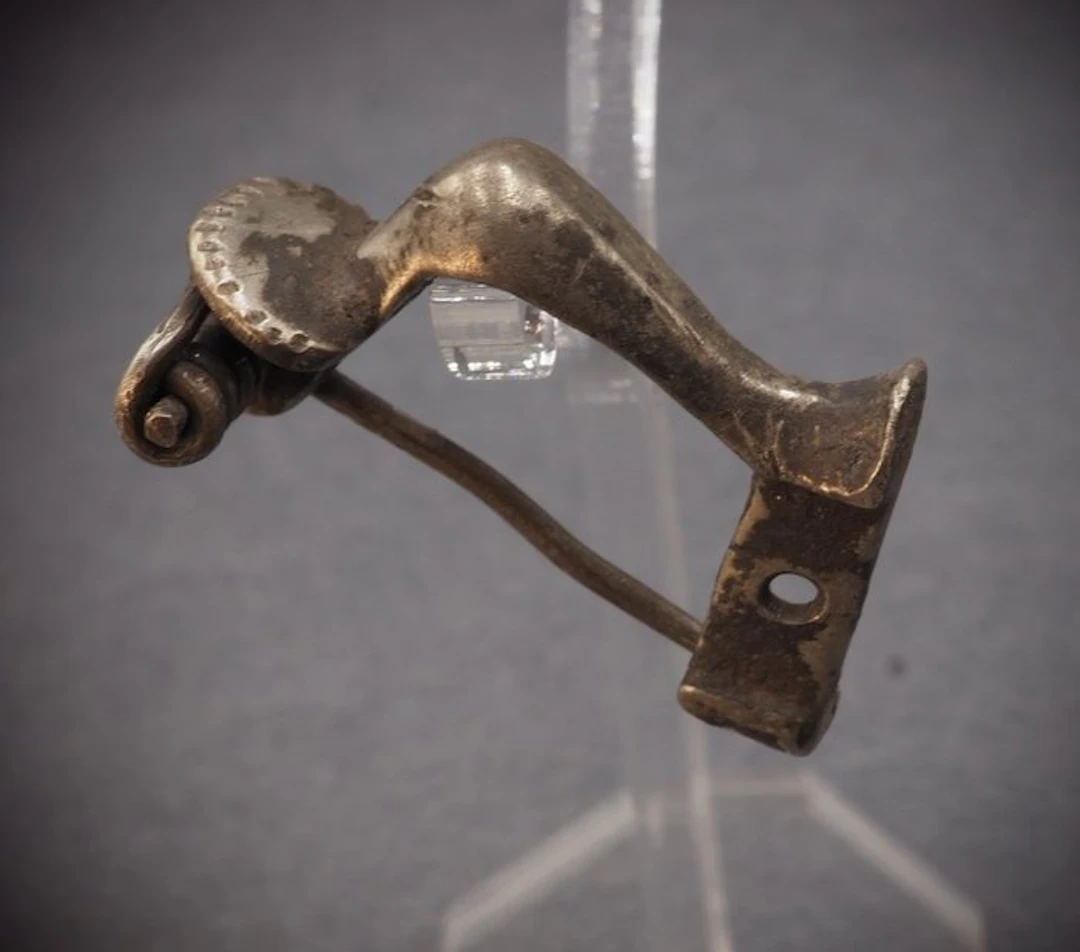
"Ancient Roman Silver Legionary Knee Fibula Culture / Period: Ancient Roman Date / Period: 2nd century A.D. Material: Silver Dimensions: 36 mm Condition: Good condition No shipping outside theopean Union. Due to complex export regulations concerning cultural goods, this item cannot be shipped outside the EU. Please ensure you have a delivery address within theopean Union before placing a bid. Provenance information: Object Registration ID: 138 The current owner purchased this Ancient Roman Silver Legionary Knee Fibula from a private collector, S.B., in Groningen, the Netherlands. The previous owner, a private collector from Groningen, stated that the fibula had been part of his collection since 1990. According to the previous owner, the object had previously been in a private collection in the Netherlands. No further information concerning the earlier ownership history of the object was available. Background Information: Fibulae were among the most important personal accessories in the Roman world, serving as practical fasteners for cloaks, tunics, and other garments. In a period before buttons became commonplace, such brooches played an essential role in everyday dress. At the same time, fibulae often reflected the status, identity, and cultural background of their owners, making them both functional and decorative objects. This example belongs to the group known as knee fibulae, a distinctive Roman brooch type named after the angular shape of its bow, which resembles a bent knee when viewed in profile. Knee fibulae became particularly popular during the 2nd century A.D. and are widely regarded as one of the characteristic brooch forms of the Roman Imperial period. Their practical and robust design made them especially suitable for fastening heavier garments such as cloaks worn in military and civilian contexts. This type of fibula is frequently associated with the Roman army. Legionaries and auxiliary soldiers commonly used such brooches to secure the sagum, the military cloak that formed part of their standard attire. Numerous examples have been discovered at legionary fortresses, frontier posts, and military settlements throughout the Roman Empire, especially along the Rhine and Danube frontiers. Their widespread occurrence at military sites demonstrates their close connection to Roman military life. The use of silver distinguishes this fibula from the more common bronze examples found throughout the Empire. Silver fibulae may have belonged to individuals of higher status or may have been selected for their more prestigious appearance. The production of such pieces required skilled metalworking techniques and reflects the high level of craftsmanship achieved by Roman artisans. Fibulae were manufactured in specialised workshops and circulated through extensive trade and supply networks that connected the provinces of the Empire. As soldiers, merchants, and civilians travelled between regions, these objects spread widely acrossope. Similar examples have been recorded from Britain, Gaul, the Germanic provinces, and the Lower Rhine region. Such objects were traded across large distances, reaching regions such as present-day Germany and the Netherlands. For archaeologists, fibulae are valuable chronological indicators because their forms evolved according to changing fashions and regional traditions. Their study provides important evidence for Roman military presence, trade networks, and cultural exchange throughout the provinces of the Empire. Dating to the 2nd century A.D., during the height of the Roman Imperial era, this silver knee fibula represents a well-established tradition of Roman dress accessories and military equipment. It forms a tangible connection to the ancient world, in which objects of this kind played a practical role in daily use. This piece provides a direct and physical link to the people of antiquity who relied upon such objects as part of their everyday lives."
Stima:€325
Vai all’astaVedi tutti gli oggetti diCatawikioArte Antica
Stima:
€325
OCT 8 | 3:00 PM
Porta la tua asta ai collezionisti di tutto il mondo!
Pubblica ora€275
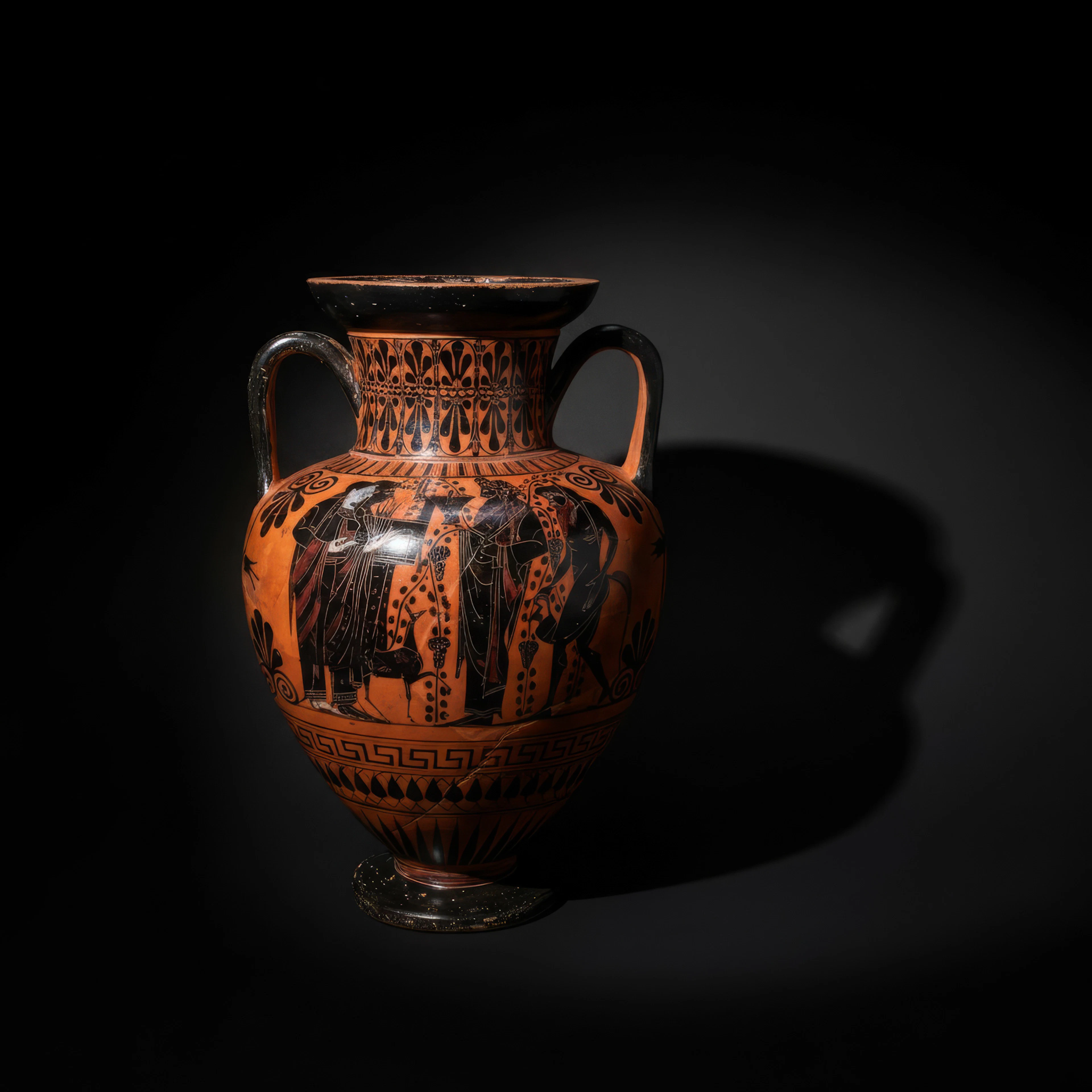
RARE ATTIC BLACK-FIGURE NECK AMPHORA ATTRIBUTED TO THE LYSIPPIDES
06/21/2026

€46,375.28
Stima: €16,156.37
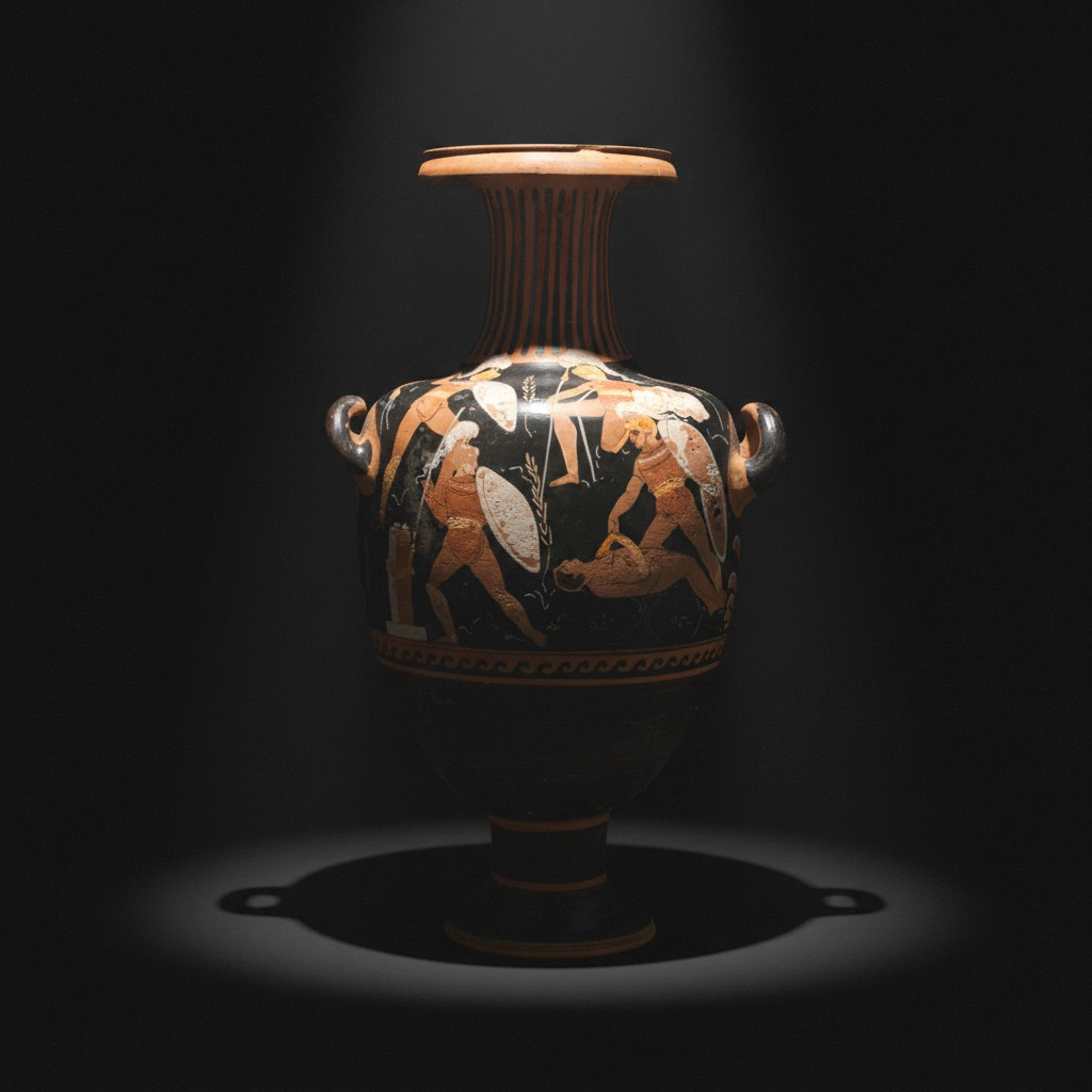
TL TESTED - LARGE GREEK APULIAN RED-FIGURE HYDRIA WITH HOPLITES COMBAT SCENE
06/21/2026
€10,434.43
Stima: €6,924.16