OCT 8 | 3:00 PM

Porta la tua asta ai collezionisti di tutto il mondo!
Pubblica oraIscrivendoti, accetti la politica sulla privacy. Annulla l'iscrizione in qualsiasi momento.
Barnebys HQ
Brahegatan 10
BOX 5038
114 37 Stockholm
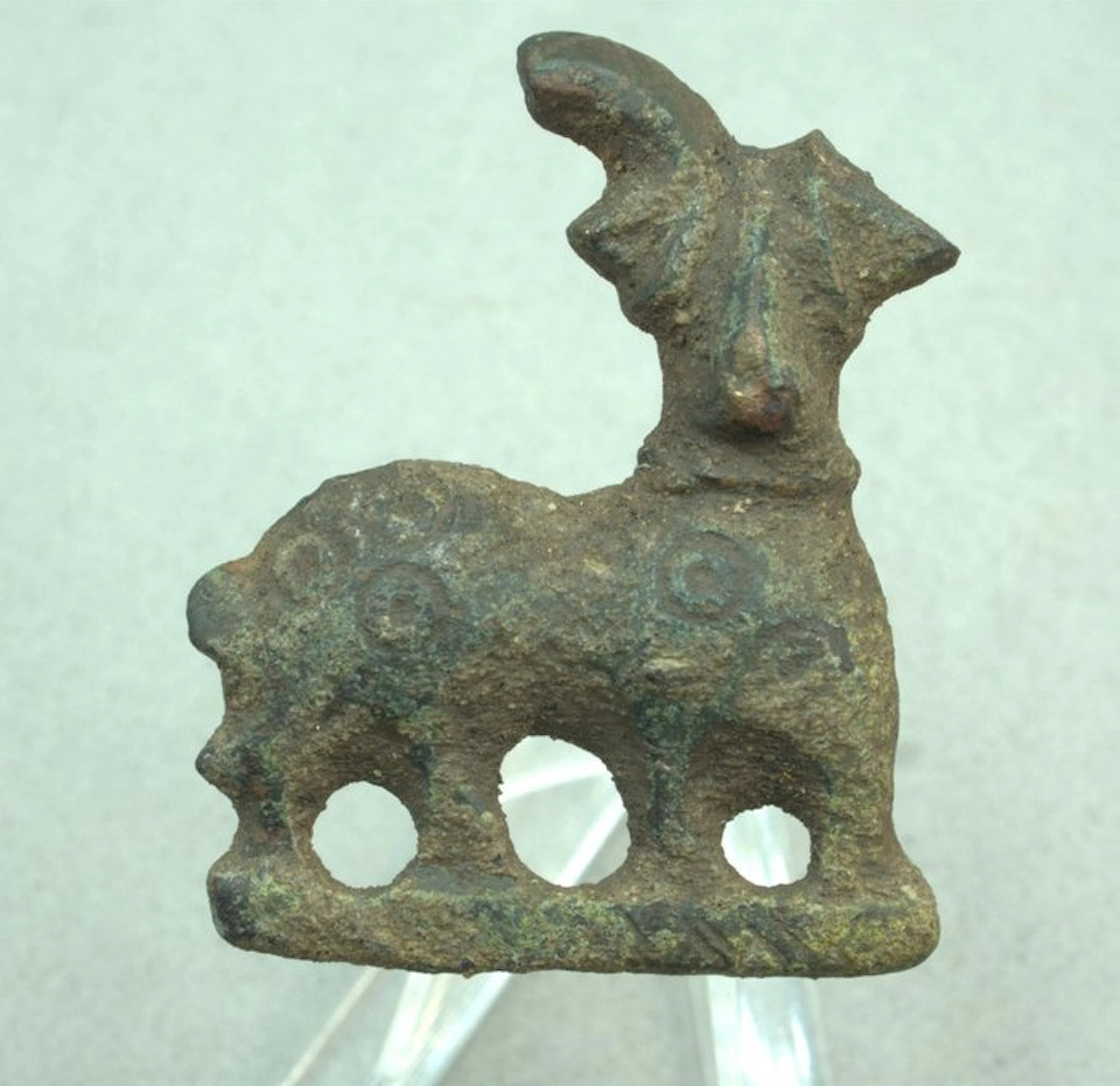
Tutte le aste / Arte Antica / Roman Bronze Statuette of a bull - 36 mm

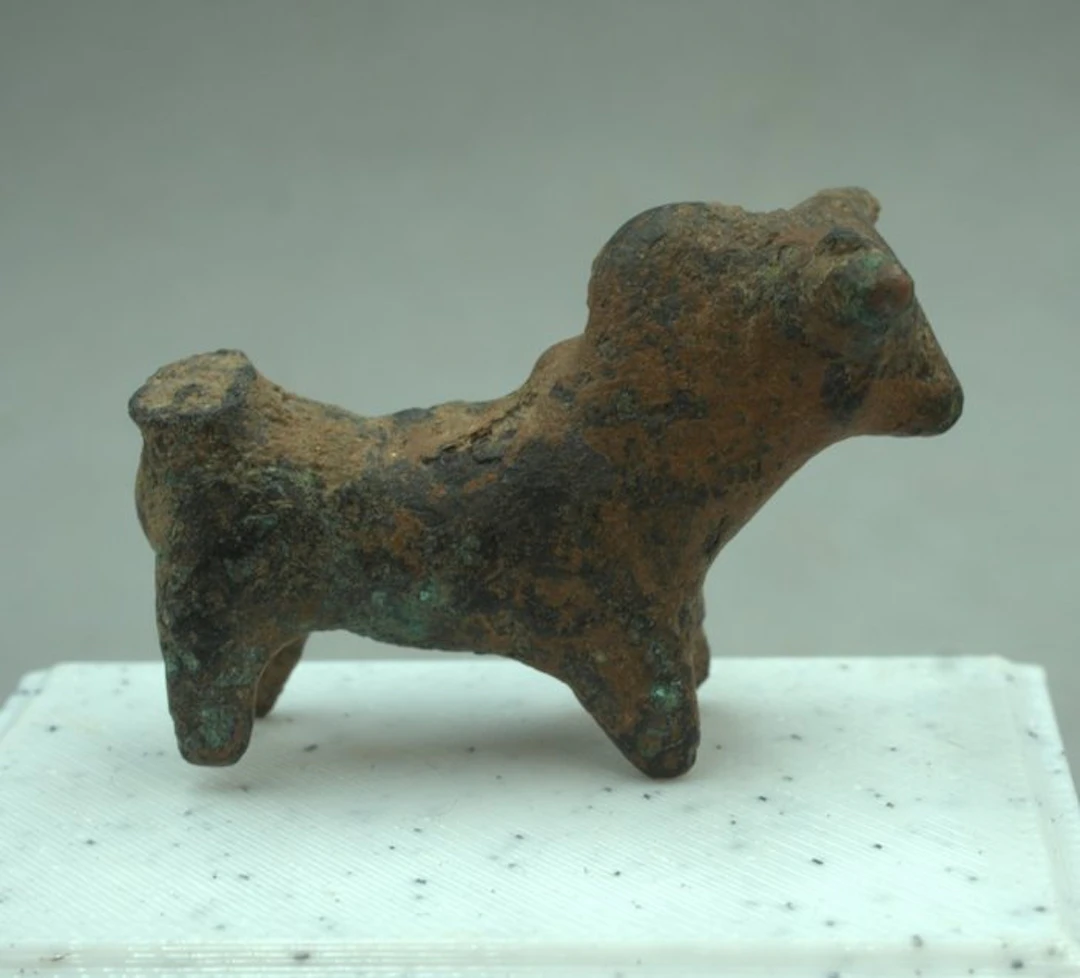
"Roman Bronze Statuette of a Bull Culture / Period: Roman Imperial Date / Period: Circa 1st–3rd century A.D. Material: Bronze Dimensions: Not provided Condition: Good condition, with age-related surface wear, earthen deposits and brown-green patina. The compact figure is substantially preserved, with details softened through age and corrosion. No shipping outside the European Union. Due to complex export regulations concerning cultural goods, this item cannot be shipped outside the EU. Please ensure you have a delivery address within the European Union before placing a bid. Provenance information: Object Registration ID: 1004 The current owner (S.N.J. S.) purchased the bronze statuette of a bull from B.N. in Schiedam, the Netherlands. The previous owner, B.N. from Schiedam, stated that the object had been in his collection, but the date of acquisition was not provided. According to the previous owner, the object had previously formed part of a private collection in the Netherlands; the date of this earlier ownership is unknown. No further information concerning the earlier ownership history of the object was available from the previous owner. Background Information: Small bronze animal statuettes formed a distinctive category of objects in the Roman world. This compact figure represents a standing bull or bovine, modelled with a sturdy body, short legs and projecting features around the head. Such miniature bronzes could serve as personal or votive objects, although without an archaeological find context the precise original function of this example cannot be established. The bull carried considerable symbolic importance throughout Greco-Roman antiquity. Bulls were associated with strength, fertility and agricultural prosperity and played an important role in religious sacrifice. Bovine imagery also occurred in the cults of several deities. Jupiter, the principal Roman god, could be connected with the bull through mythology and sacrificial practice, while bulls also had significance in other religious traditions present throughout the Empire. A specific divine association for this statuette, however, cannot be confirmed. Animal figurines were frequently dedicated at sanctuaries as votive offerings. A worshipper might offer a small bronze representation in fulfilment of a vow, as an expression of gratitude or in the hope of divine favour. Similar miniature bronzes also existed in domestic settings, where religious imagery formed part of private devotional life. Roman religion was deeply integrated into everyday activities, and small portable objects provided an accessible means of expressing religious identity and personal devotion. Statuettes of this type were generally produced by casting, most commonly using variations of the lost-wax process, before being finished by hand. Roman bronze workshops produced an extensive range of human, divine and animal figures, and these objects circulated through commercial and cultural networks across Italy and the provinces. Individual examples range from highly detailed works to deliberately simplified provincial representations such as this compact figure. Dating broadly to the Roman Imperial period, circa 1st–3rd century A.D., this statuette belongs to an era in which Roman religious traditions interacted with numerous regional beliefs across a vast territory. Whether originally intended as a votive dedication, a domestic religious object or another form of symbolic representation, this small bronze bull provides a tangible connection to the religious practices, craftsmanship and everyday material culture of the Roman world."
Stima:€220
Vai all’astaVedi tutti gli oggetti diCatawikioArte Antica
Stima:
€220
OCT 8 | 3:00 PM
Porta la tua asta ai collezionisti di tutto il mondo!
Pubblica ora
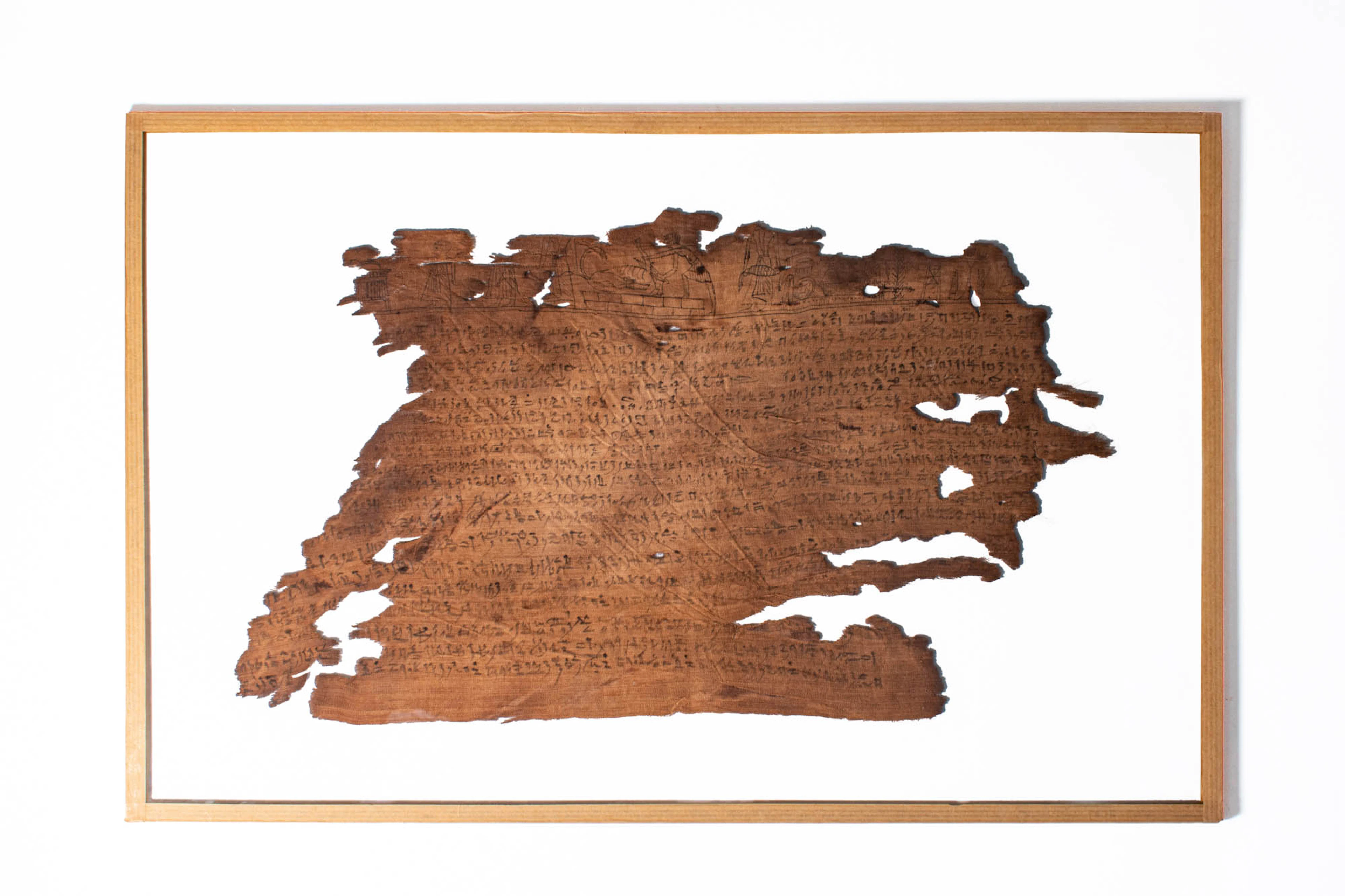
RARE EGYPTIAN MUMMY BANDAGE OF DJEDHOR - BOOK OF THE DEAD
06/21/2026

€3,478.14
Stima: €3,464.34