
Tutte le aste / Arte, Pittura e Arti Grafiche / Two large architectural paintings of Indian monuments 19th century

Two large architectural paintings of Indian monuments 19th century
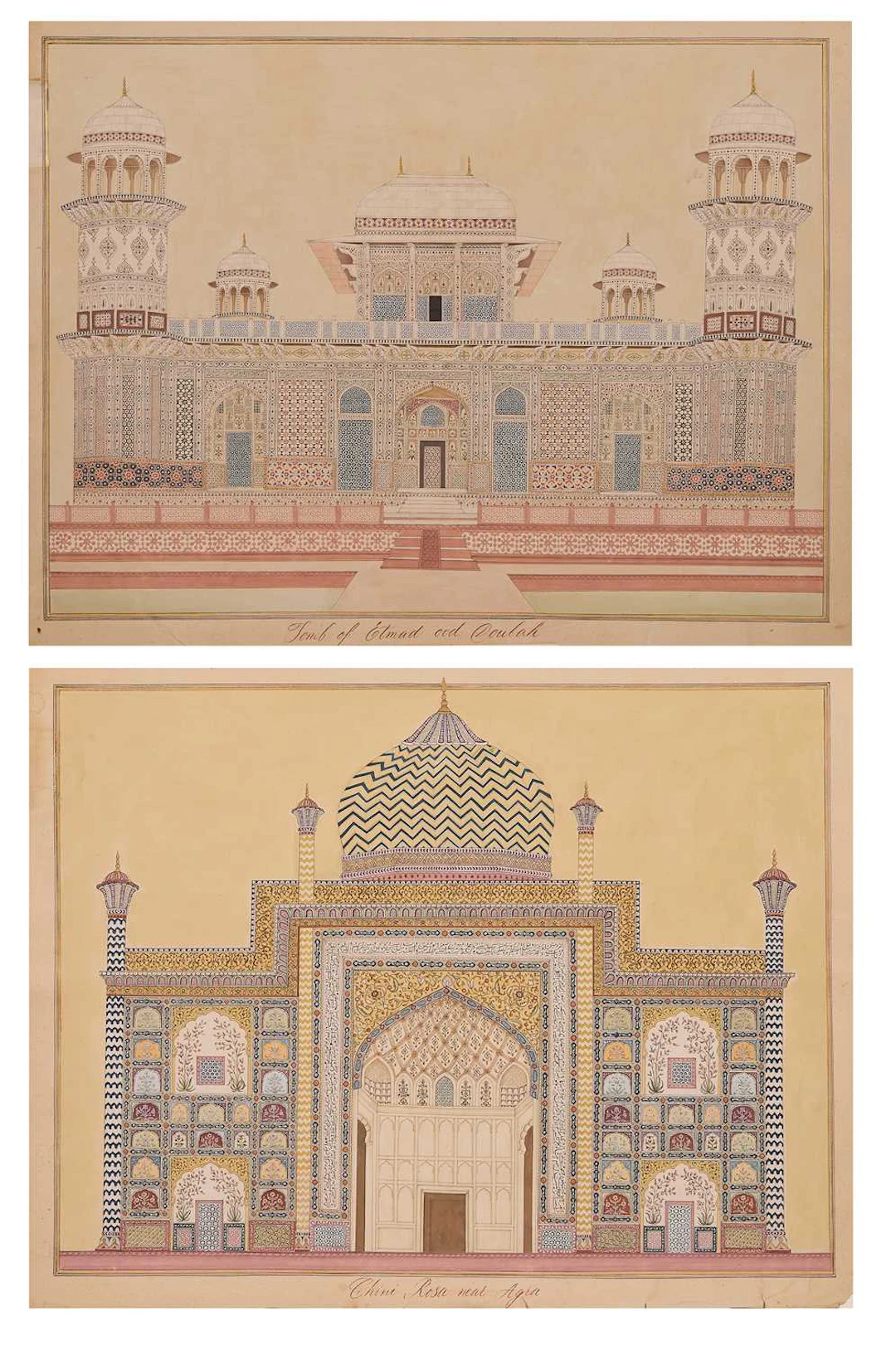
each in horizontal format, each in horizontal format, comprising: a view of the Chini ka Rauza, Agra, and a view of the Tomb of I’timad-ud-Daulah at Agra, each set within double black, gilt, blue and red rules with identifying inscriptions in pen in the lower margin and watermarked '1817(?)', opaque pigments and pen on paper, set within double black, gilt, blue and red rules with identifying inscriptions in pen in the lower margin and watermarked '1817(?)', opaque pigments and pen on paper, (2), 50 x 62.5cm and 47 x 62.5cm, This architectural illustration provides an accurate depiction of the Tomb of I’timad-ud-Daulah at Agra, built by the Mughal Queen Nur Jahan for her father, Mirza Ghiyas Beg (d.1622), and her mother, who died a year later. Born in Iran, Ghiyas Beg moved with his family to India during the reign of the Mughal Emperor Akbar (r.1556-1605). He became an important official of the Mughal Empire and rose through the ranks to serve as prime minister to the Mughal Emperor Jahangir (r.1605-27). He was awarded the title of ‘I’timad ud-Daula’ (Pillar of the State). His daughter Mehr-un-nissa, later known as Nur Jahan, married Jahangir in 1611. The tomb was built between 1622 and 1628 within a garden on the left bank of the river Yamuna in Agra. Made of marble and profusely inlaid with semi-precious stones in geometric and floral patterns, this was the first Mughal monument to move away from using only red sandstone as observed in earlier Mughal buildings. The design is comparable with the upper story of Akbar’s tomb at Sikandra, with the addition of four towers at the corners. For similar examples, see The British Library accession number Stowe Or 17A, folio 19; Art Institute of Chicago, accession number 2011.284; Sotheby’s, 'In an Indian Garden: The Carlton Rochell Collection of Company School Paintings', 27 October 2021, lot 22. The Chini ka Rauza, or ‘China Tomb’, is the tomb of Afzal Khan (d.1639), a Persian-born official who served as finance minister to the Mughal emperor Shah Jahan. Situated on the banks of the Yamuna at Agra, the tomb was constructed during Afzal Khan’s lifetime and is distinguished by its richly coloured glazed-tile decoration. The term chini literally means 'Chinese' and, by extension, came to denote Chinese-made wares such as porcelain. The Persian term was subsequently borrowed into Turkish as çini, where it developed the more specific meaning of traditional glazed decorative tiles, particularly those associated with Ottoman architecture. In the context of the Chini ka Rauza, the name thus refers to its distinctive glazed-tile ornament. The monument was a popular subject for Company School artists in the early 19th century, when British patrons commissioned architectural views of Mughal monuments following the British occupation of Agra in 1803. Such works combined detailed architectural observation with European techniques of perspective and watercolour, and were produced both as documentary records and as souvenirs for British residents and visitors. For comparable examples, see The Royal Collection, accession number RCIN 932752; Christie's, 'Art of the Islamic and Indian Worlds Including Oriental Rugs and Carpets', 27 April 2023, lot 107. The Chini ka Rauza, or ‘China Tomb’, is the tomb of Afzal Khan (d.1639), a Persian-born official who served as finance minister to the Mughal emperor Shah Jahan. Situated on the banks of the Yamuna at Agra, the tomb was constructed during Afzal Khan’s lifetime and is distinguished by its richly coloured glazed-tile decoration. The term, chini, literally means 'Chinese' and, by extension, came to denote Chinese-made wares such as porcelain. The Persian term was subsequently borrowed into Turkish as, çini, , where it developed the more specific meaning of traditional glazed decorative tiles, particularly those associated with Ottoman architecture. In the context of the Chini ka Rauza, the name thus refers to its distinctive glazed-tile ornament. Condition Report, Condition Report, This lot does not have a condition report, if you would like further information, please click the 'Request A Condition Report’ button below. Request A Condition Report, Request A Condition Report
Stima:-
Vai all’astaVedi tutti gli oggetti diSwordersoArte, Pittura e Arti Grafiche
Stima:
-
Oggetti simili

Risultati d’asta per oggetti simili
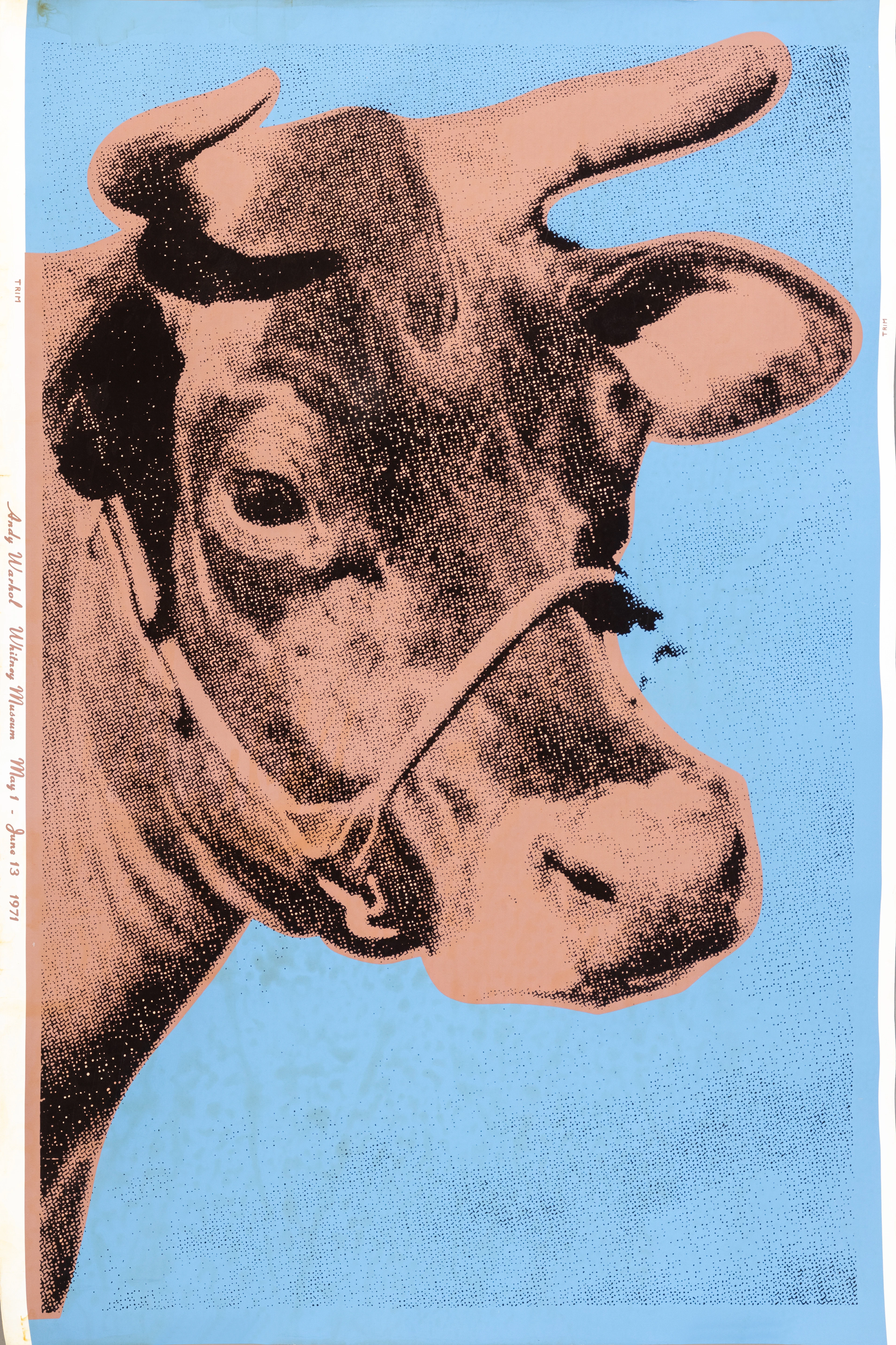
ANDY WARHOL (1928-1987), NACH. Cow, blue, Plakat für das Whitney Museum.
10/10/2026
€800
Stima: €1,100
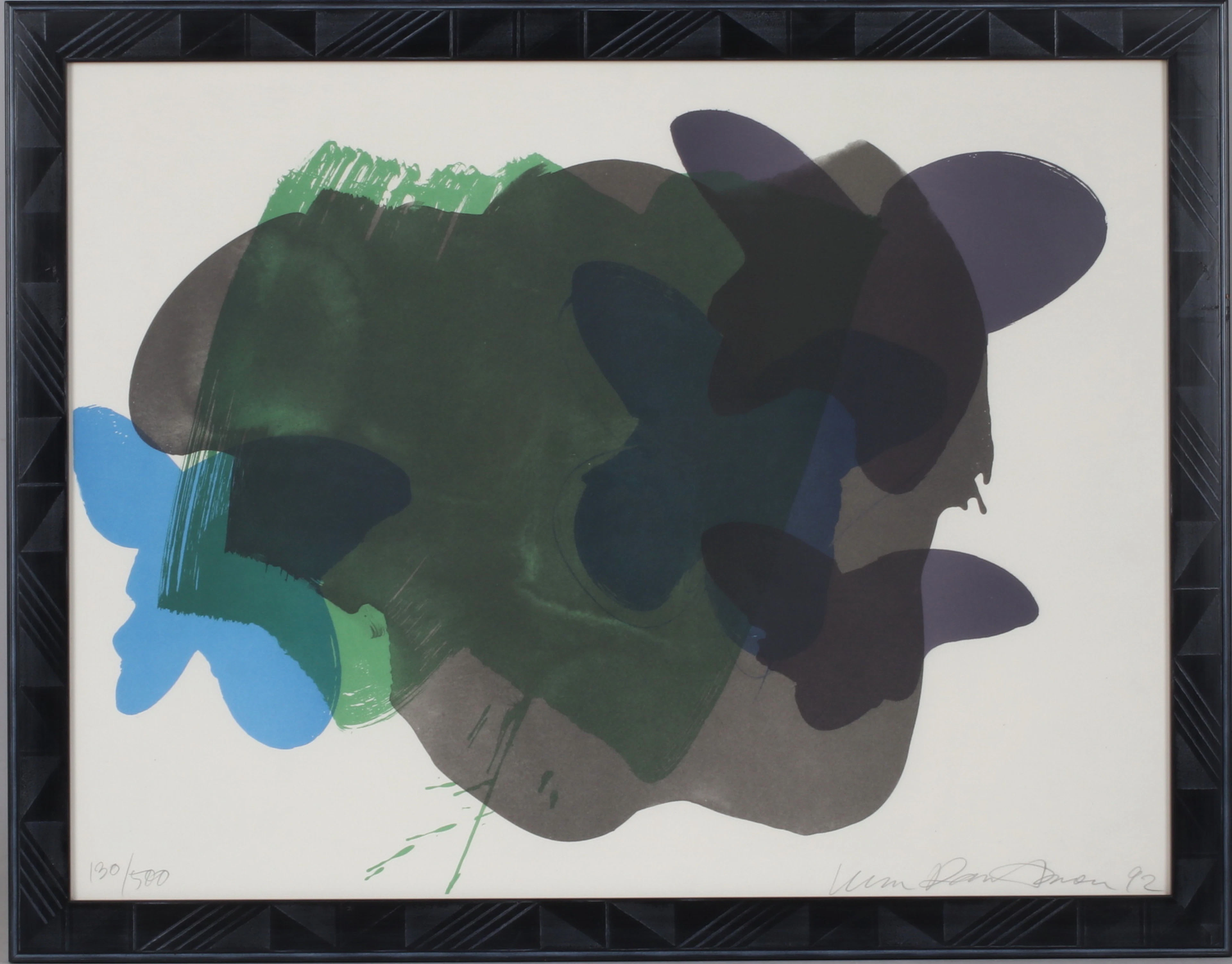
ULLA RANTANEN. "Fjärilarna", litografi, signerad och numrerad 130/500
10/10/2026
€26.77
Stima: €70.76
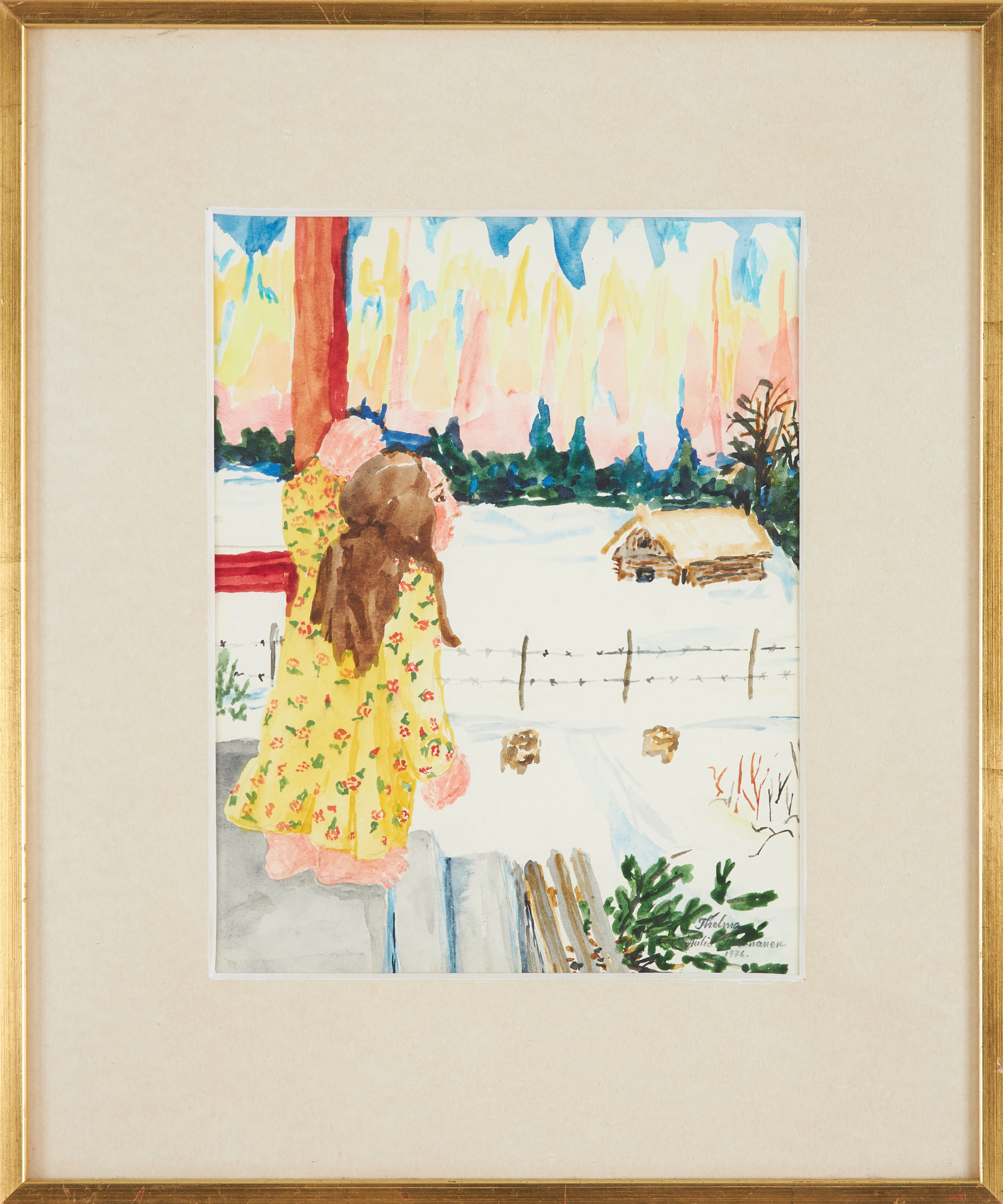
THELMA AULIO PAANANEN. Kvinna i vinterlandskap, akvarell, signerad
10/10/2026
€35.7
Stima: €89.25
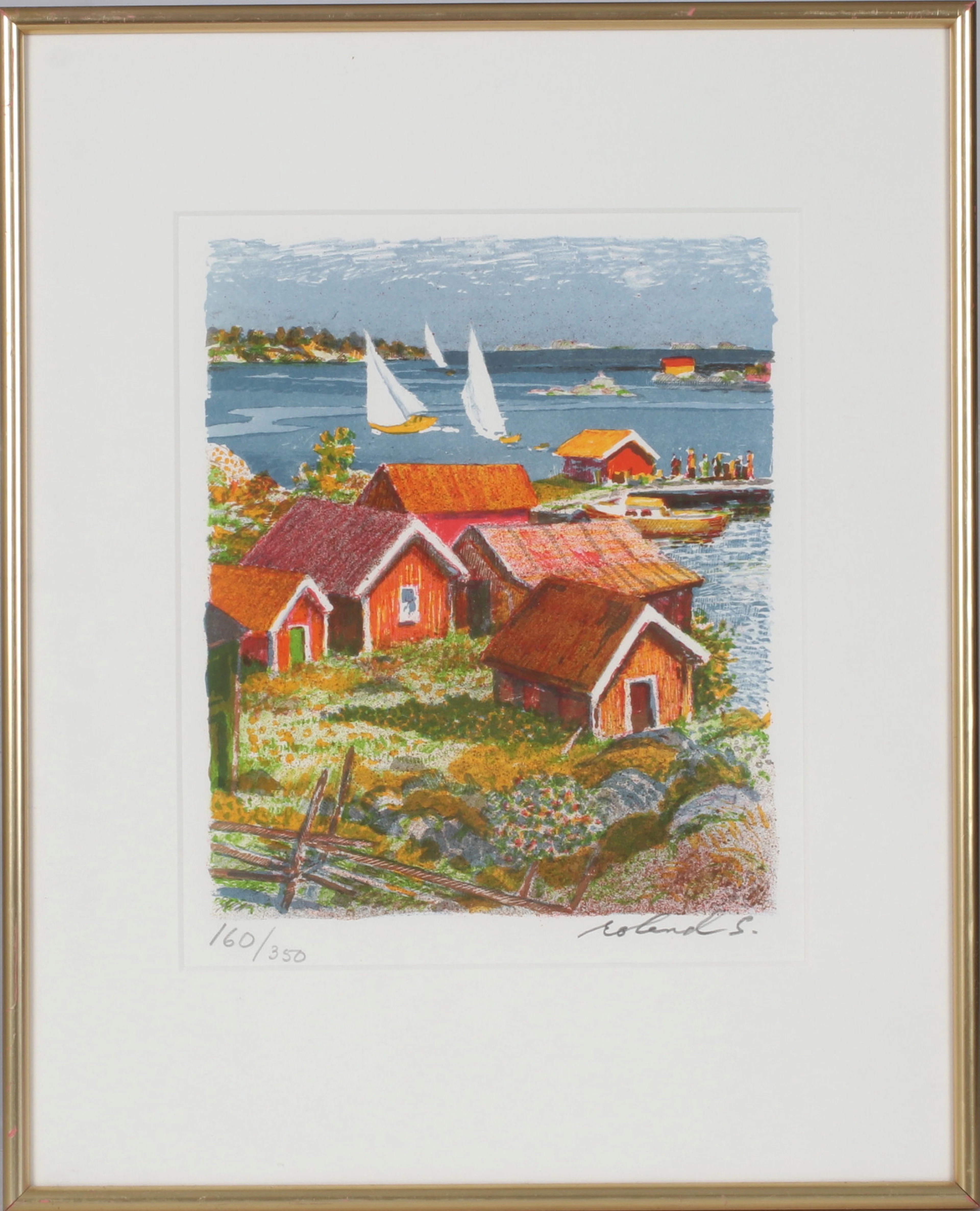
ROLAND SVENSSON. "Högsommardag" litografi signerad och numrerad 160/350.
10/10/2026
€331.32
Stima: €178.51
Porta la tua asta ai collezionisti di tutto il mondo!
Pubblica ora