




Tutte le aste / Arte Asiatica / Terracotta horse figurine. Greek culture, Hellenistic period, circa 300 BC.

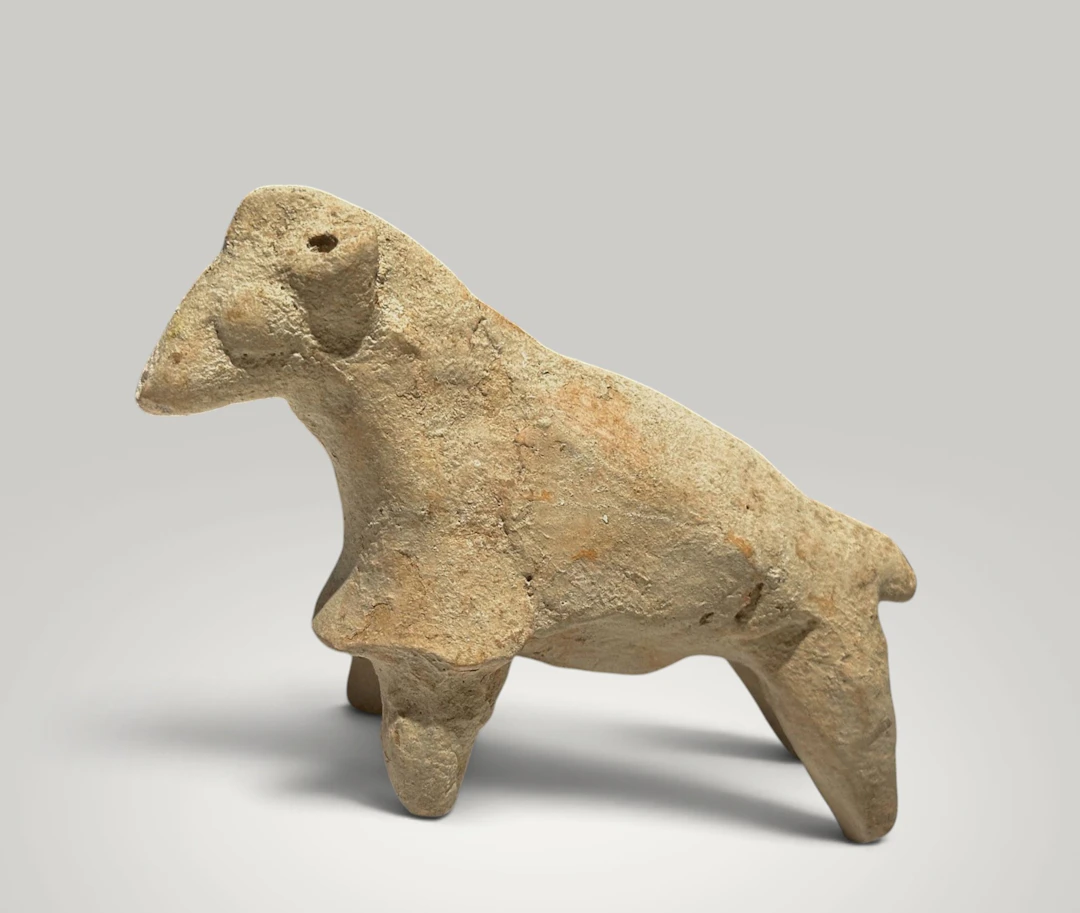
Descriptio Modeled and fired ceramic sculpture. Dimensions: 12.5 cm long x 8 cm high. An interesting sculptural representation of a horse belonging to the artistic tradition of the Hellenistic period, an era characterized by the expansion of Greek culture throughout the eastern Mediterranean and the Near East following the conquests of Alexander the Great. The piece depicts an equid in a small-scale composition, conceived following the figurative models developed in the terracotta workshops of the time. The horse held a prominent place in the ancient world, both for its importance in transportation, agriculture, and military activities, and for its symbolic significance, associated with social prestige, strength, and power. In the Greek artistic tradition, equine representations were especially common in sculptures, reliefs, ceramics, and small votive figures, where these animals appeared linked to deities, heroes, and figures of high social standing. During the Hellenistic period, the production of terracotta figurines experienced remarkable development, fostered by the spread of modeling and molding techniques that allowed for the creation of animal and human representations intended for domestic spaces, sanctuaries, and funerary contexts. The expansion of Hellenistic culture into the regions of Judea and Samaria led to the incorporation of new artistic and ornamental models into local traditions, resulting in an interesting combination of Greek and Eastern influences. Horse figurines could serve decorative, votive, or symbolic functions, reflecting the importance of these animals in ancient Mediterranean societies. This piece is an attractive example of small animal sculpture in terracotta, notable for its figurative nature and its connection to the artistic expressions developed in the Levant during the Hellenistic period. It is in good overall condition, with slight wear, irregularities, and surface alterations typical of its age. Provenance: Samaria, north of Jerusalem, Holy Land; Found before 1978. Lot in international warehouse (outside the EU). For shipments to the European Union, import duties and/or taxes will apply and are the responsibility of the buyer.
Stima:€1,000
Vai all’astaVedi tutti gli oggetti diTemplum Fine Art AuctionsoArte Asiatica
Stima:
€1,000
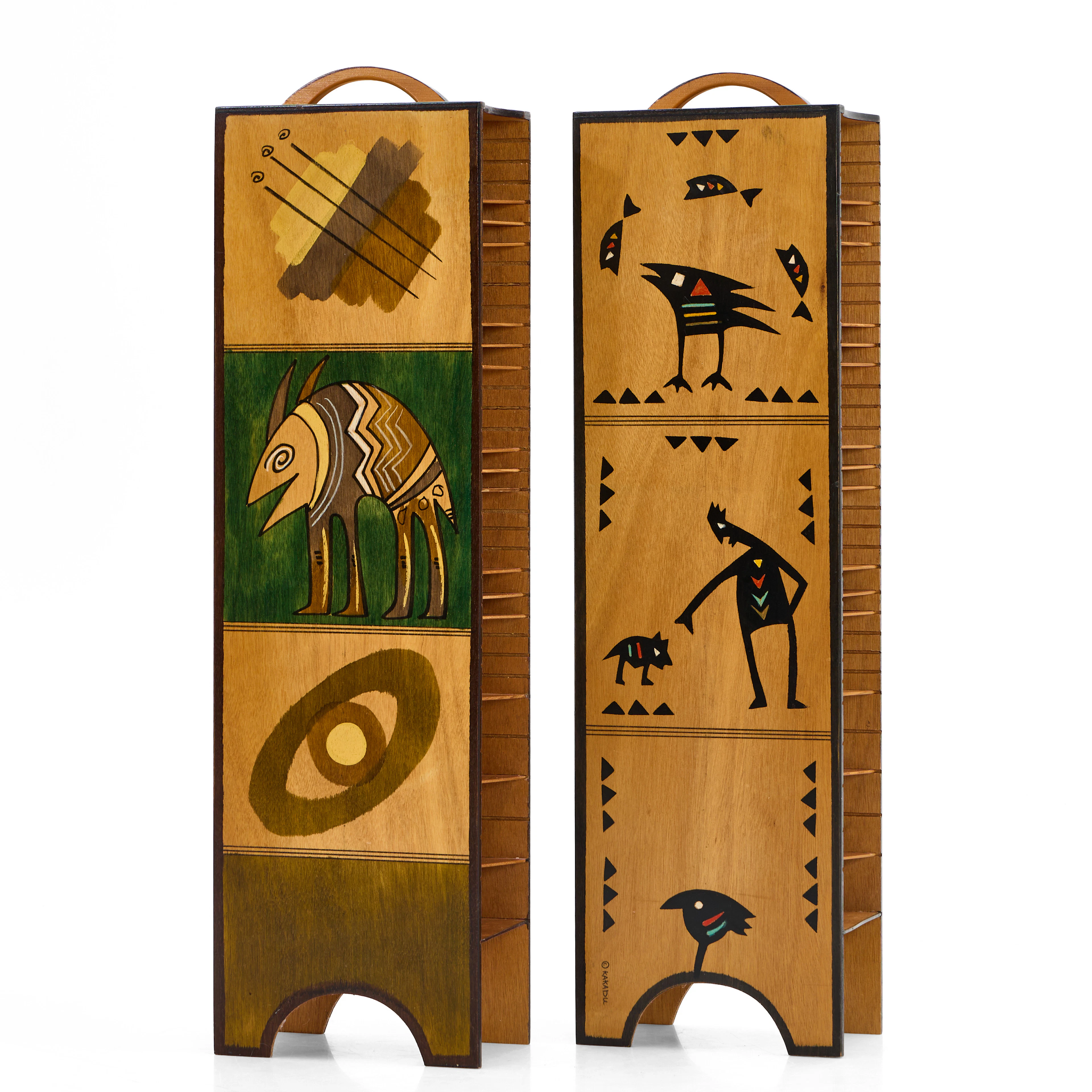
REUT SHAHAR. CD-ställ, 2 st, Kakadu Art Gallery, signerade, handmålad
10/19/2026
€26.96
Stima: €71.41
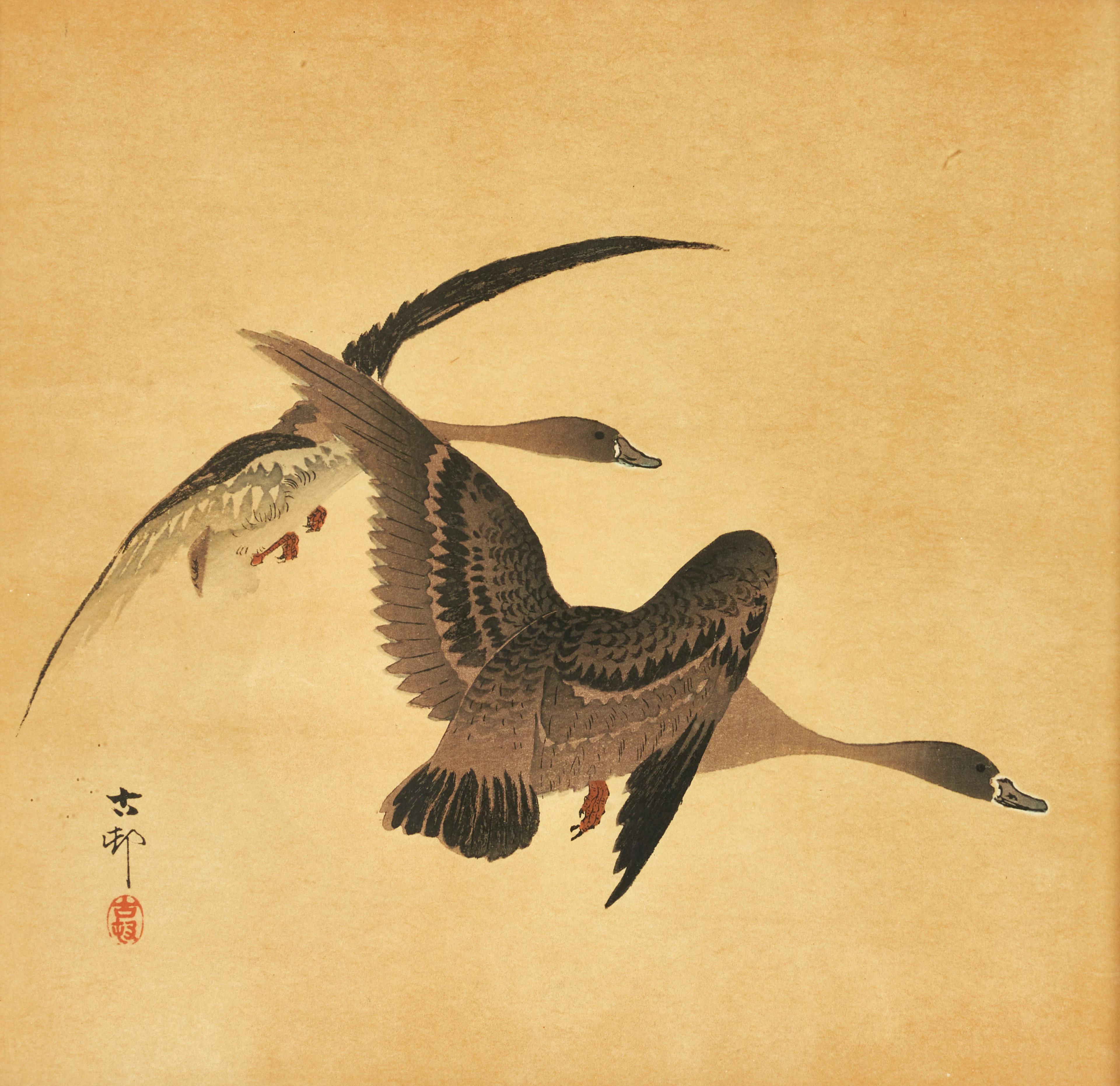
OHARA KOSON (1877-1945), sträckande gäss, träsnitt.
10/19/2026
€305.59
Stima: €161.59
Porta la tua asta ai collezionisti di tutto il mondo!
Pubblica oraIscrivendoti, accetti la politica sulla privacy. Annulla l'iscrizione in qualsiasi momento.
Barnebys HQ
Brahegatan 10
BOX 5038
114 37 Stockholm
