




Tutte le aste / Arte Asiatica / Portuguese tile panel with geometric decoration from the 17th century

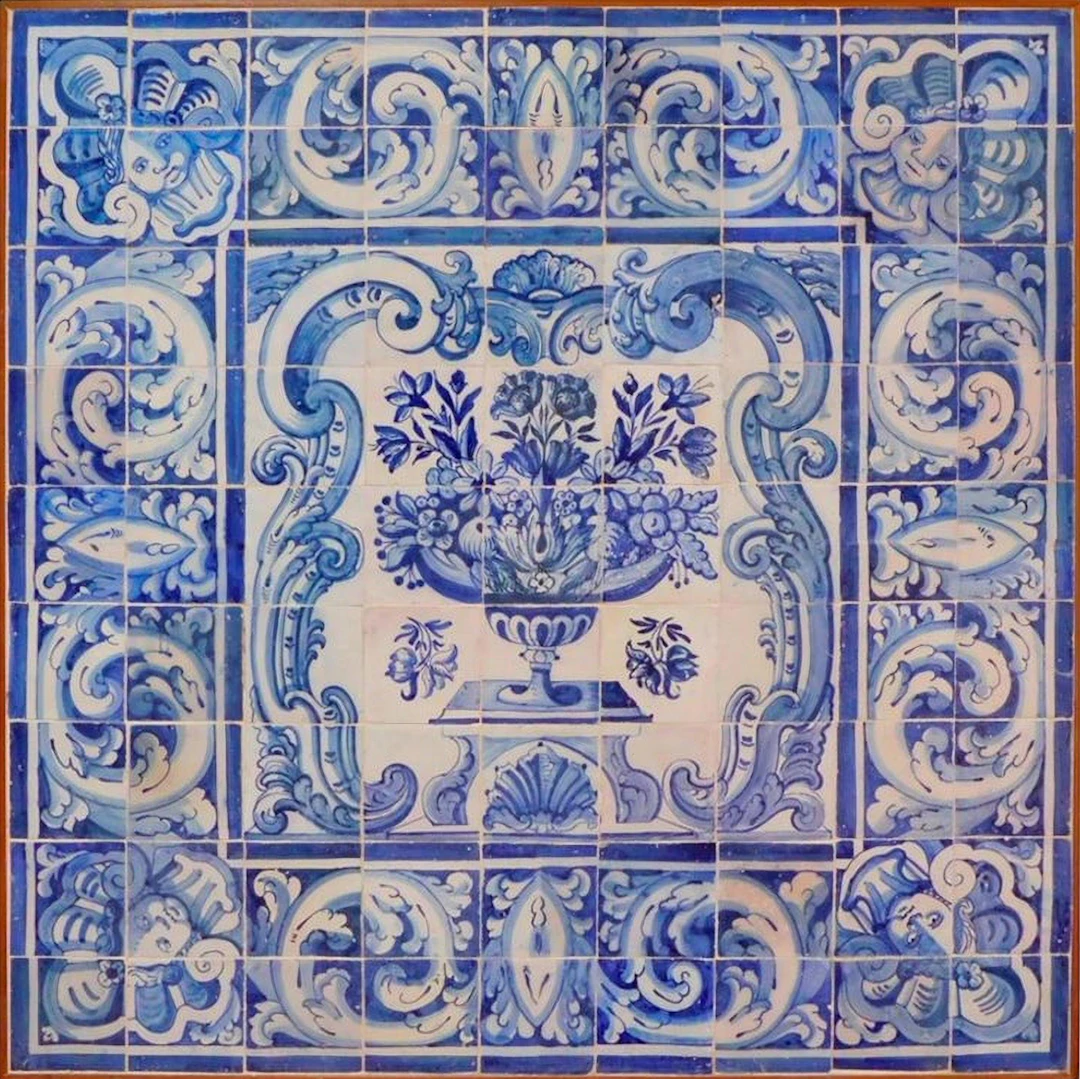
Descriptio RestoredDimensions: 56cm x 56cm.Soon after, these plain white tiles were replaced by polychrome tiles (enxaquetado rico) which often gave a complex frame as in the Igreja de Santa Maria de Marvila in Santarém, Portugal with one of the most outstanding interior tile decorations in Portugal.By replacing the diagonal tiles with a repeating pattern of horizontal polychrome tiles, a new design with different motifs could be obtained, interlacing Mannerist designs with depictions of roses and camellias (sometimes roses and garlands). An inserted votive usually depicts a scene from the life of Christ or a saint. These carpet compositions (azulejo de tapete), as they were called, elaborately framed with friezes and borders, were produced in large numbers during the 17th century. The best examples are found in the Igreja do Salvador, Évora, Igreja de S. Quintino, Obral de Monte Agraço, Igreja de S. Vicente, Cuba (Portugal) and the chapel of the University of Coimbra.The use of azulejos for the decoration of antependia (altar fronts), imitating precious altar cloths, is typical of Portugal. The panel may be a single piece, or composed of two or three sections. They were used in the 16th, 17th and 18th centuries. Some 17th-century antependia imitate oriental fabrics (calico, chintz). The gold fringes of the altar cloth were imitated by yellow motifs in the painted border tiles. Excellent examples can be found in the Hospital de Santa Marta, Lisbon, or in the Convent of Santa Maria de Almoster and the Convent of Santa Cruz do Buçaco.During the same period, another motif was introduced into the friezes: floral vases flanked by birds, dolphins, or putti, the so-called albarradas. They were probably inspired by Flemish paintings of flower vases, such as those by Jan Brueghel the Elder. These were still displayed freestanding in the 17th century, but would be used in repeating modules in the 18th century. RestoredDimensions: 56cm x 56cm.Soon after, these plain white tiles were replaced by polychrome tiles (enxaquetado rico) which often gave a complex frame as in the Igreja de Santa Maria de Marvila in Santarém, Portugal with one of the most outstanding interior tile decorations in Portugal.By replacing the diagonal tiles with a repeating pattern of horizontal polychrome tiles, a new design with different motifs could be obtained, interlacing Mannerist designs with depictions of roses and camellias (sometimes roses and garlands). An inserted votive usually depicts a scene from the life of Christ or a saint. These carpet compositions (azulejo de tapete), as they were called, elaborately framed with friezes and borders, were produced in large numbers during the 17th century. The best examples are found in the Igreja do Salvador, Évora, Igreja de S. Quintino, Obral de Monte Agraço, Igreja de S. Vicente, Cuba (Portugal) and the chapel of the University of Coimbra.The use of azulejos for the decoration of antependia (altar fronts), imitating precious altar cloths, is typical of Portugal. The panel may be a single piece, or composed of two or three sections. They were used in the 16th, 17th and 18th centuries. Some 17th-century antependia imitate oriental fabrics (calico, chintz). The gold fringes of the altar cloth were imitated by yellow motifs in the painted border tiles. Excellent examples can be found in the Hospital de Santa Marta, Lisbon, or in the Convent of Santa Maria de Almoster and the Convent of Santa Cruz do Buçaco.During the same period, another motif was introduced into the friezes: floral vases flanked by birds, dolphins, or putti, the so-called albarradas. They were probably inspired by Flemish paintings of flower vases, such as those by Jan Brueghel the Elder. These were still displayed freestanding in the 17th century, but would be used in repeating modules in the 18th century. RestoredDimensions: 56cm x 56cm.Soon after, these plain white tiles were replaced by polychrome tiles (enxaquetado rico) which often gave a complex frame as in the Igreja de Santa Maria de Marvila in Santarém, Portugal with one of the most outstanding interior tile decorations in Portugal.By replacing the diagonal tiles with a repeating pattern of horizontal polychrome tiles, a new design with different motifs could be obtained, interlacing Mannerist designs with depictions of roses and camellias (sometimes roses and garlands). An inserted votive usually depicts a scene from the life of Christ or a saint. These carpet compositions (azulejo de tapete), as they were called, elaborately framed with friezes and borders, were produced in large numbers during the 17th century. The best examples are found in the Igreja do Salvador, Évora, Igreja de S. Quintino, Obral de Monte Agraço, Igreja de S. Vicente, Cuba (Portugal) and the chapel of the University of Coimbra.The use of azulejos for the decoration of antependia (altar fronts), imitating precious altar cloths, is typical of Portugal. The panel may be a single piece, or composed of two or three sections. They were used in the 16th, 17th and 18th centuries. Some 17th-century antependia imitate oriental fabrics (calico, chintz). The gold fringes of the altar cloth were imitated by yellow motifs in the painted border tiles. Excellent examples can be found in the Hospital de Santa Marta, Lisbon, or in the Convent of Santa Maria de Almoster and the Convent of Santa Cruz do Buçaco.During the same period, another motif was introduced into the friezes: floral vases flanked by birds, dolphins, or putti, the so-called albarradas. They were probably inspired by Flemish paintings of flower vases, such as those by Jan Brueghel the Elder. These were still displayed freestanding in the 17th century, but would be used in repeating modules in the 18th century. RestoredDimensions: 56cm x 56cm.Soon after, these plain white tiles were replaced by polychrome tiles (enxaquetado rico) which often gave a complex frame as in the Igreja de Santa Maria de Marvila in Santarém, Portugal with one of the most outstanding interior tile decorations in Portugal.By replacing the diagonal tiles with a repeating pattern of horizontal polychrome tiles, a new design with different motifs could be obtained, interlacing Mannerist designs with depictions of roses and camellias (sometimes roses and garlands). An inserted votive usually depicts a scene from the life of Christ or a saint. These carpet compositions (azulejo de tapete), as they were called, elaborately framed with friezes and borders, were produced in large numbers during the 17th century. The best examples are found in the Igreja do Salvador, Évora, Igreja de S. Quintino, Obral de Monte Agraço, Igreja de S. Vicente, Cuba (Portugal) and the chapel of the University of Coimbra.The use of azulejos for the decoration of antependia (altar fronts), imitating precious altar cloths, is typical of Portugal. The panel may be a single piece, or composed of two or three sections. They were used in the 16th, 17th and 18th centuries. Some 17th-century antependia imitate oriental fabrics (calico, chintz). The gold fringes of the altar cloth were imitated by yellow motifs in the painted border tiles. Excellent examples can be found in the Hospital de Santa Marta, Lisbon, or in the Convent of Santa Maria de Almoster and the Convent of Santa Cruz do Buçaco.During the same period, another motif was introduced into the friezes: floral vases flanked by birds, dolphins, or putti, the so-called albarradas. They were probably inspired by Flemish paintings of flower vases, such as those by Jan Brueghel the Elder. These were still displayed freestanding in the 17th century, but would be used in repeating modules in the 18th century. RestoredDimensions: 56cm x 56cm.Soon after, these plain white tiles were replaced by polychrome tiles (enxaquetado rico) which often gave a complex frame as in the Igreja de Santa Maria de Marvila in Santarém, Portugal with one of the most outstanding interior tile decorations in Portugal.By replacing the diagonal tiles with a repeating pattern of horizontal polychrome tiles, a new design with different motifs could be obtained, interlacing Mannerist designs with depictions of roses and camellias (sometimes roses and garlands). An inserted votive usually depicts a scene from the life of Christ or a saint. These carpet compositions (azulejo de tapete), as they were called, elaborately framed with friezes and borders, were produced in large numbers during the 17th century. The best examples are found in the Igreja do Salvador, Évora, Igreja de S. Quintino, Obral de Monte Agraço, Igreja de S. Vicente, Cuba (Portugal) and the chapel of the University of Coimbra.The use of azulejos for the decoration of antependia (altar fronts), imitating precious altar cloths, is typical of Portugal. The panel may be a single piece, or composed of two or three sections. They were used in the 16th, 17th and 18th centuries. Some 17th-century antependia imitate oriental fabrics (calico, chintz). The gold fringes of the altar cloth were imitated by yellow motifs in the painted border tiles. Excellent examples can be found in the Hospital de Santa Marta, Lisbon, or in the Convent of Santa Maria de Almoster and the Convent of Santa Cruz do Buçaco.During the same period, another motif was introduced into the friezes: floral vases flanked by birds, dolphins, or putti, the so-called albarradas. They were probably inspired by Flemish paintings of flower vases, such as those by Jan Brueghel the Elder. These were still displayed freestanding in the 17th century, but would be used in repeating modules in the 18th century. RestoredDimensions: 56cm x 56cm.Soon after, these plain white tiles were replaced by polychrome tiles (enxaquetado rico) which often gave a complex frame as in the Igreja de Santa Maria de Marvila in Santarém, Portugal with one of the most outstanding interior tile decorations in Portugal.By replacing the diagonal tiles with a repeating pattern of horizontal polychrome tiles, a new design with different motifs could be obtained, interlacing Mannerist designs with depictions of roses and camellias (sometimes roses and garlands). An inserted votive usually depicts a scene from the life of Christ or a saint. These carpet compositions (azulejo de tapete), as they were called, elaborately framed with friezes and borders, were produced in large numbers during the 17th century. The best examples are found in the Igreja do Salvador, Évora, Igreja de S. Quintino, Obral de Monte Agraço, Igreja de S. Vicente, Cuba (Portugal) and the chapel of the University of Coimbra.The use of azulejos for the decoration of antependia (altar fronts), imitating precious altar cloths, is typical of Portugal. The panel may be a single piece, or composed of two or three sections. They were used in the 16th, 17th and 18th centuries. Some 17th-century antependia imitate oriental fabrics (calico, chintz). The gold fringes of the altar cloth were imitated by yellow motifs in the painted border tiles. Excellent examples can be found in the Hospital de Santa Marta, Lisbon, or in the Convent of Santa Maria de Almoster and the Convent of Santa Cruz do Buçaco.During the same period, another motif was introduced into the friezes: floral vases flanked by birds, dolphins, or putti, the so-called albarradas. They were probably inspired by Flemish paintings of flower vases, such as those by Jan Brueghel the Elder. These were still displayed freestanding in the 17th century, but would be used in repeating modules in the 18th century.
Stima:€20,000
Vai all’astaVedi tutti gli oggetti diTemplum Fine Art AuctionsoArte Asiatica
Stima:
€20,000
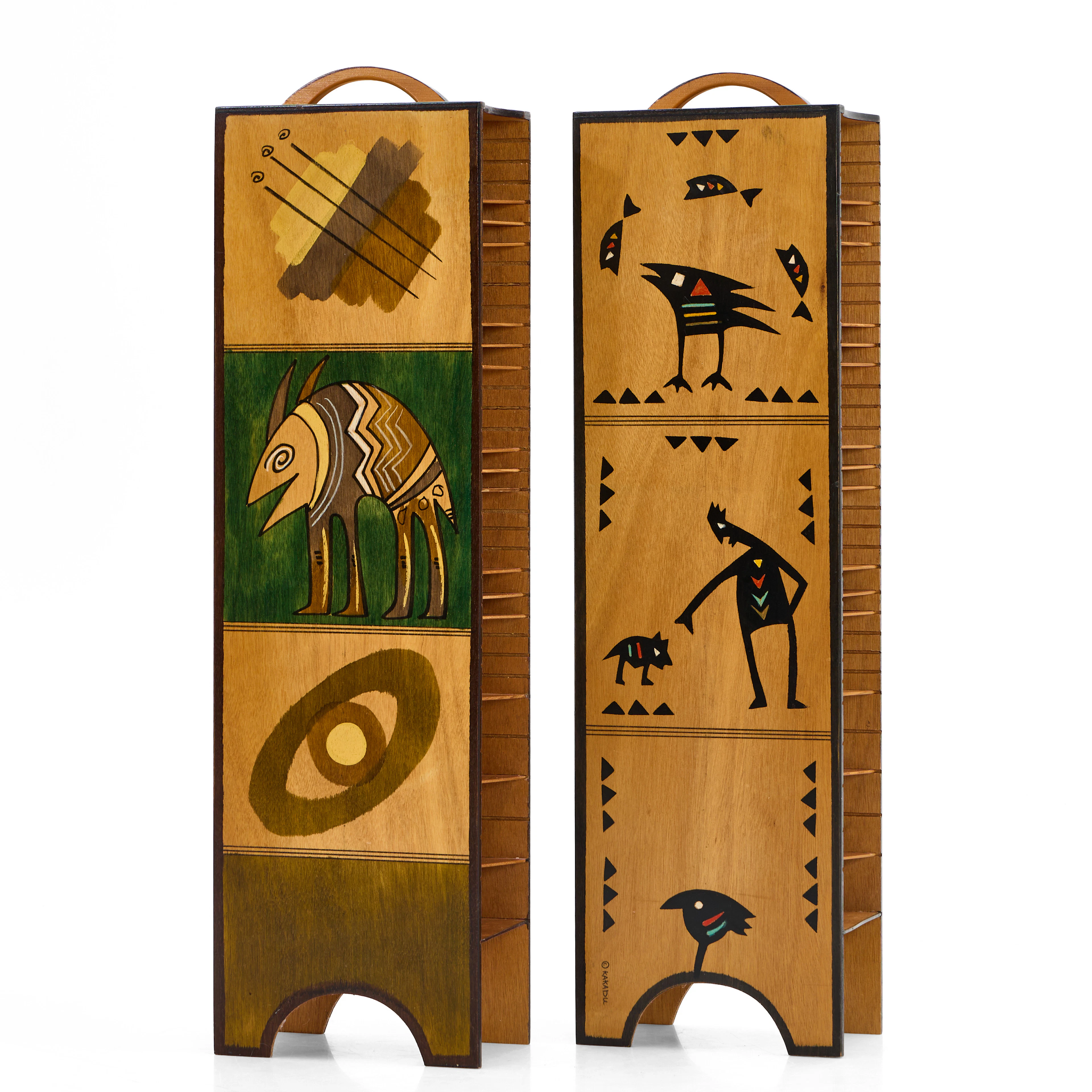
REUT SHAHAR. CD-ställ, 2 st, Kakadu Art Gallery, signerade, handmålad
10/19/2026
€26.96
Stima: €71.41
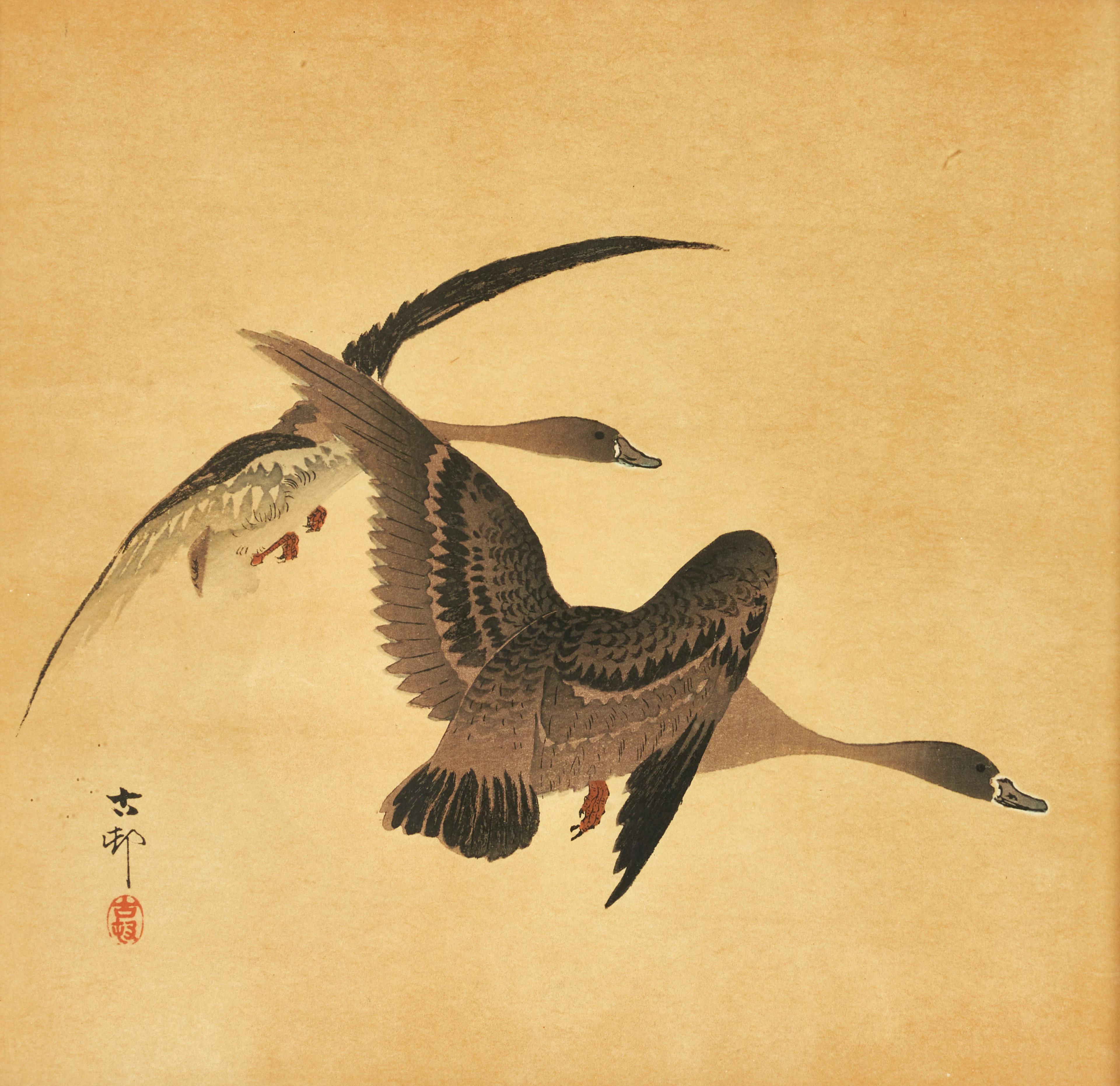
OHARA KOSON (1877-1945), sträckande gäss, träsnitt.
10/19/2026
€305.59
Stima: €161.59
Porta la tua asta ai collezionisti di tutto il mondo!
Pubblica oraIscrivendoti, accetti la politica sulla privacy. Annulla l'iscrizione in qualsiasi momento.
Barnebys HQ
Brahegatan 10
BOX 5038
114 37 Stockholm
