
Tutte le aste / Arte, Pittura e Arti Grafiche / Miquel Torner de Semir (1938) - Silencio en la mesa

Miquel Torner de Semir (1938) - Silencio en la mesa
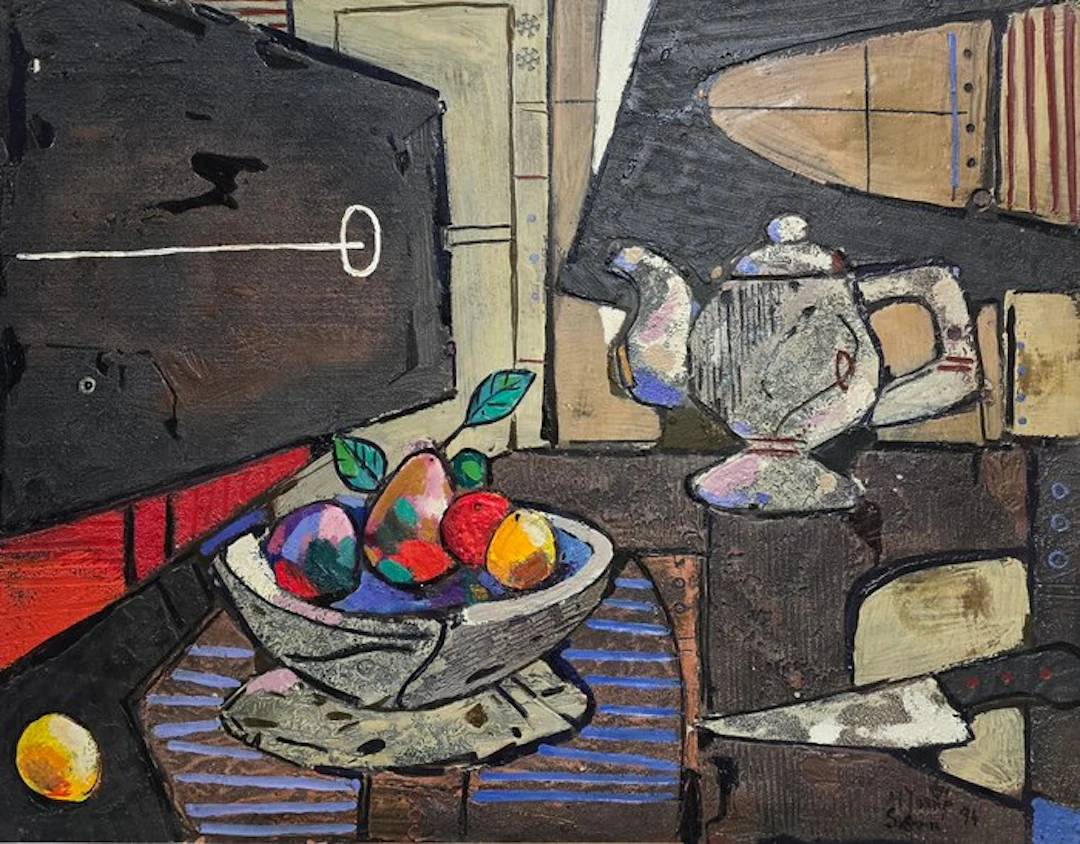
Pictura Subastas presents this magnificent work of art by Miquel Torner de Semir, depicting a still life composed of a fruit bowl, a teapot, and various everyday objects arranged in an interior of intense contrasts and geometric shapes. The painting stands out for its excellent technique and the high pictorial quality it conveys. · Dimensions of the work: 73x92x1 cm. · Oil on board hand-signed by the artist in the bottom right. · The piece is in good conservation condition. The work comes from an exclusive private collection in Girona. Important note: the photographs included are an integral part of the lot description. The painting will be professionally packed by an IVEX expert (https://www.instagram.com/ivex.online/), using high-quality materials to ensure its protection. The shipping price covers both the cost of professional packaging and the transportation itself. Shipping will be carried out by Correos, GLS or NACEX with tracking. International shipping available. This painting presents a complex still life full of contrasts, featuring a fruit bowl in the foreground and a large teapot placed on the right. Both elements are surrounded by objects with geometric shapes, dark surfaces, and earthy color planes, creating a domestic scene transformed into a composition of great visual strength. The tones of black, brown, beige and gray dominate the space, while the fruits introduce red, yellow, green, pink and blue accents that illuminate the whole. The fruit bowl is one of the main focal points. It is slightly shifted to the left and occupies a position very close to the viewer. Its wide, oval shape opens to hold several pieces of fruit, while its base rests on a table covered with irregular lines and figures. The container is delineated with dark and light outlines that give it a firm presence within the composition. Inside the fruit bowl there are four fruits of different sizes and colors. On the left is a rounded piece with violet, blue, green and pink tones. In the center rises a fruit of elongated shape, similar to a pear, which combines orange, red, pink, green and small dark sectors. Next to it sits a red fruit, and further to the right another yellow and orange fruit that provides a particularly luminous point. The central fruit, due to its greater height, functions as the main axis of the set. Its ascending silhouette is accompanied by several green and turquoise leaves that extend upward. These leaves introduce curved and diagonal lines into a composition dominated by straight planes. Moreover, its fresh color establishes an appealing contrast with the browns and blacks of the surroundings. The fruits are not represented in a single uniform color, but through different chromatic zones that suggest lights, shadows and reflections. The reds blend with greens, the yellows with browns, and the violets with blues. This variety makes each piece a small independent composition, although all remain united by their arrangement inside the container. Under the fruit bowl one can perceive an irregular base of light tones, grays and greenish hues. Its shape resembles a folded cloth, a napkin, or a decorative surface placed on the table. The dark edges and small interior marks create a weight and depth effect. This lighter area visually separates the container from the brown background and helps to emphasize its silhouette. The table occupies almost the entire lower part and is constructed by a succession of rectangular surfaces. The dark browns alternate with bluish lines, black stripes and small reddish zones. The horizontal blue lines that appear under the fruit bowl generate a repetitive rhythm and lead the eye to the right. The table ceases to be a secondary element and becomes an essential part of organizing the space. In the bottom left corner there is another yellow and orange fruit, separated from the main container. Its isolated presence breaks the order of the set and adds a note of spontaneity. One can imagine it rolling out of the fruit bowl or being deliberately placed on a lower surface. Its intense yellow color stands out clearly against the black background surrounding it. The left side is occupied by a large dark rectangular shape, resembling a piece of furniture, a box, or a closed door. Its surface, black and brown, contains small marks and shadow areas. In the center there is a fine white line ending in a circle, a mysterious detail that could recall a handle, a key, a rod, or a purely visual sign. This large dark form creates a strong contrast with the bright colors of the fruit. Its visual weight balances the presence of the teapot on the other side. At the bottom lie red, black and blue diagonal bands, as if they were books, boxes, or overlapping surfaces. These lines introduce depth and connect the left block with the foreground table. In the central area of the background several vertical planes rise in beige, cream and gray. Their edges are defined by dark lines, small divisions and blue points. These shapes could correspond to walls, doors, furniture, or interior panels, though their open arrangement allows for multiple interpretations. Their main function is to add height and separate the two large dark areas of the composition. To the right is a teapot with a rounded body, curved spout and wide handle. Its surface combines white, gray, black, blue, pink and small reddish accents. The lid is crowned by a rounded knob, and the overall contour stands out against the dark background. The teapot seems to rest on a small oval plate, which introduces a delicate pink and bluish note. The spout of the teapot points toward the left, establishing a visual link with the fruit bowl. Its curve seems to point toward the leaves and fruits, as if both objects were having a silent conversation. The handle, located on the right, has a angular and robust shape. The contrast between the curved spout and the geometric handle adds dynamism to the object. The surface of the teapot contains vertical lines, irregular contours and small color areas that suggest reflections from nearby elements. Some blue and violet hues relate to the lines of the table, while pink details recall the fruits. This chromatic repetition integrates the teapot into the scene and prevents it from appearing isolated. Over the teapot, in the upper right, extends a long beige object of rounded shape. It is crossed by vertical and horizontal dark lines, accompanied by a fine blue stripe and several black dots. Its far right end shows red and light bands. It may remind of a board, an instrument, a tray, or some household utensil placed on a raised surface. The background of this zone is deeply dark and takes on a curved shape that surrounds the upper object and the teapot. This large black mass creates a sort of visual arch that concentrates attention on the light elements. At the same time, it establishes a dialogue with the dark left block, closing the composition at both ends. In the bottom right, several light and dark shapes appear overlapped. One of them, elongated and white, resembles a knife or cutlery laid diagonally. Nearby are beige, black and brown surfaces that could correspond to plates, papers, drawers, or furniture fragments. Their arrangement introduces a sense of domestic activity and objects gathered on a table for everyday use. The composition is organized through contrasts between curves and straight lines. The fruit bowl, the fruits, the teapot’s spout and its lid feature rounded profiles, while the furniture, panels and background planes are structured from rectangles and diagonals. This opposition provides balance and turns a seemingly simple scene into a visually rich construction full of relationships. It is also important to note the contrast between warm and cool colors. Reds, oranges, yellows and browns add warmth, while blues, violets, greens and grays bring freshness. The small bright accents stand out intensely against the large dark surfaces. In this way, the gaze moves continuously between the fruits, the teapot, and the various surrounding objects. The scene shows no human figures, but the presence of the teapot, the fruit bowl, and the utensils suggests a lived-in room. It seems to be a table set for a pause, a breakfast, or a snack, though the objects remain motionless and no specific action occurs. This absence of people adds quietness and makes ordinary objects the absolute protagonists. The work can be interpreted as a reflection on the beauty of simple objects. A teapot, some fruit and a common table acquire intense presence thanks to their arrangement and the relationship between their forms. The objects seem to preserve the memory of those who use them, transforming a domestic scene into an intimate and slightly mysterious image. Overall, this painting offers a still life of great personality, built around a multicolored fruit bowl and a clear teapot that stand out against an interior dominated by geometric shapes and dark tones. The variety of fruits, leaves, utensils and surfaces creates a rich and dynamic composition, while the contrasts between lights, shadows, curves and rectangles provide balance. The work conveys intimacy, silence, and a renewed look at the beauty hidden in everyday objects.
Stima:€500
Vai all’astaVedi tutti gli oggetti diCatawikioArte, Pittura e Arti Grafiche
Stima:
€500
Oggetti simili

Risultati d’asta per oggetti simili
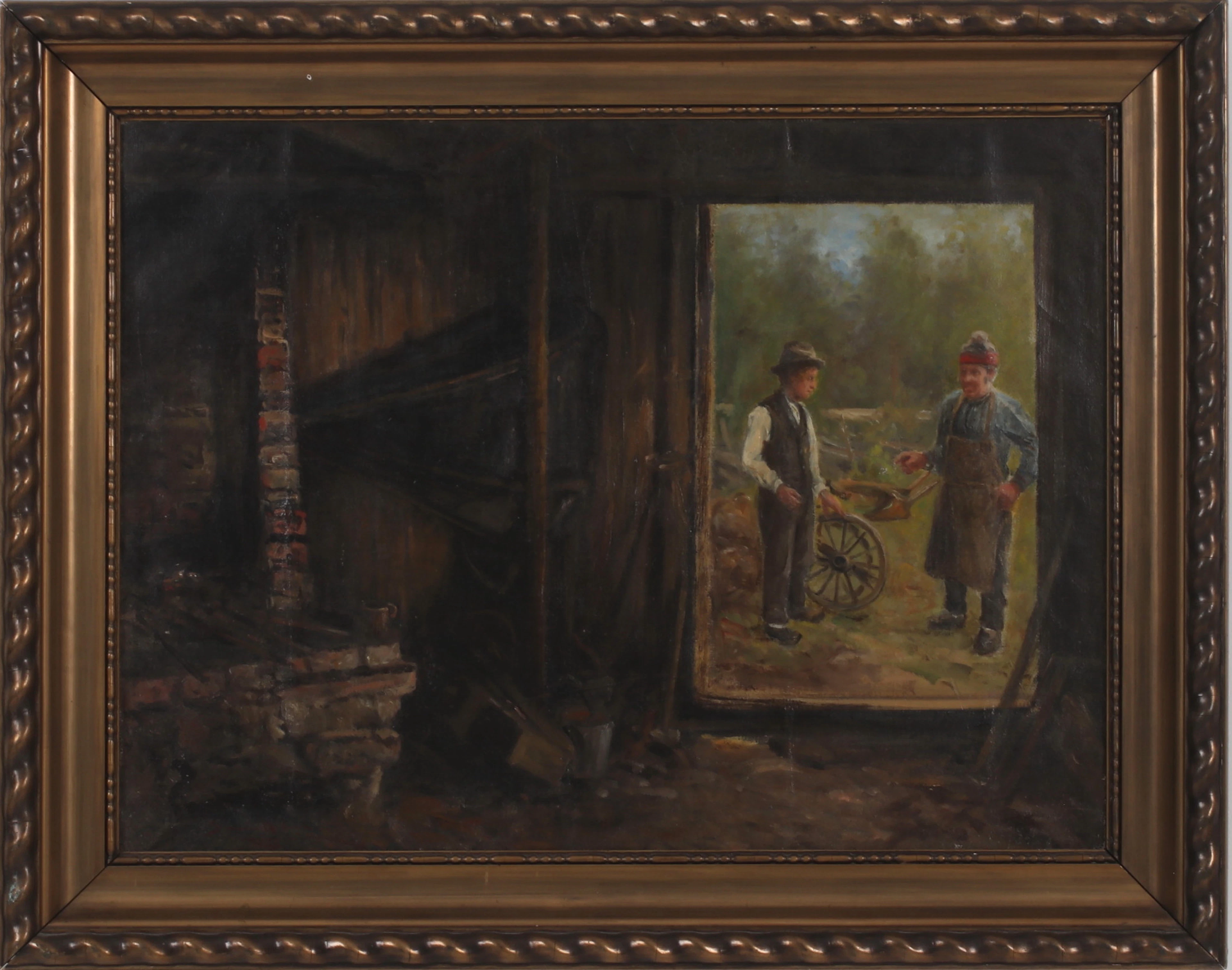
SEVERIN NILSSON. "Samtal vid smedjan", olja på duk, signerad.
10/09/2026
€267.77
Stima: €447.24
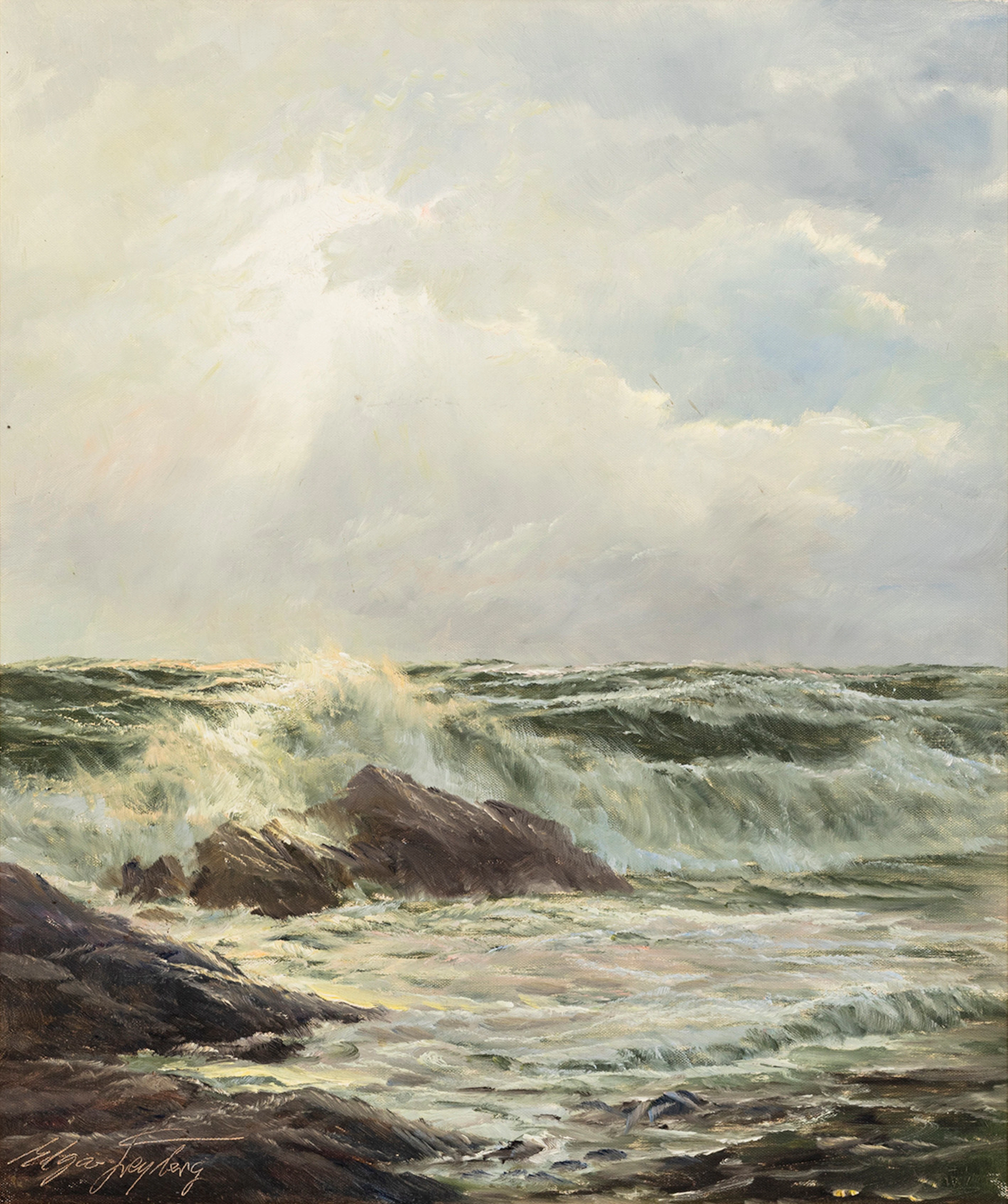
EDGAR FREYBERG. Stormigt hav, olja på duk, signerad.
10/09/2026
€134.86
Stima: €178.89
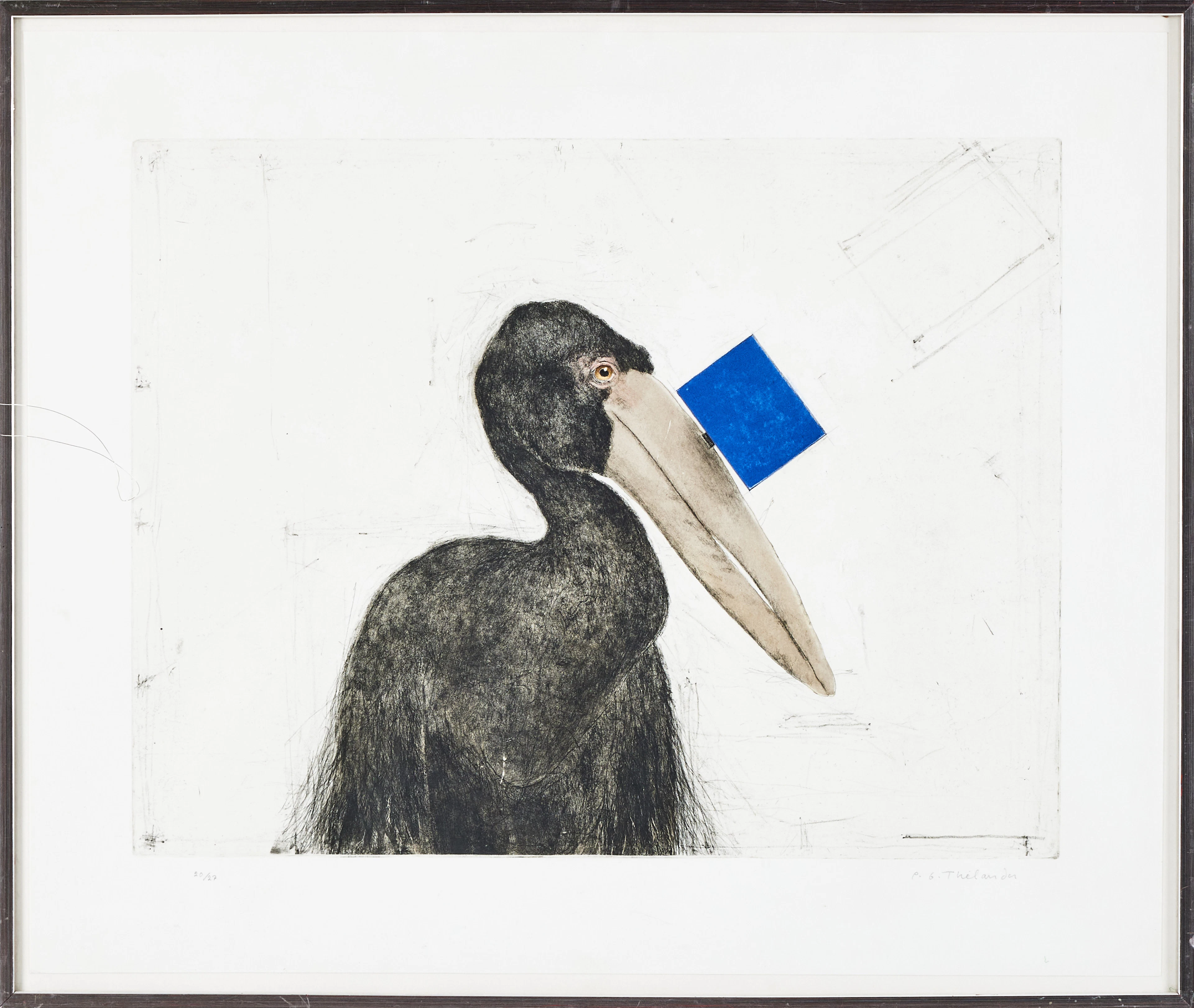
PÄR GUNNAR THELANDER. Komposition med pelikan, etsning med kolorering
10/09/2026
€316.41
Stima: €178.89
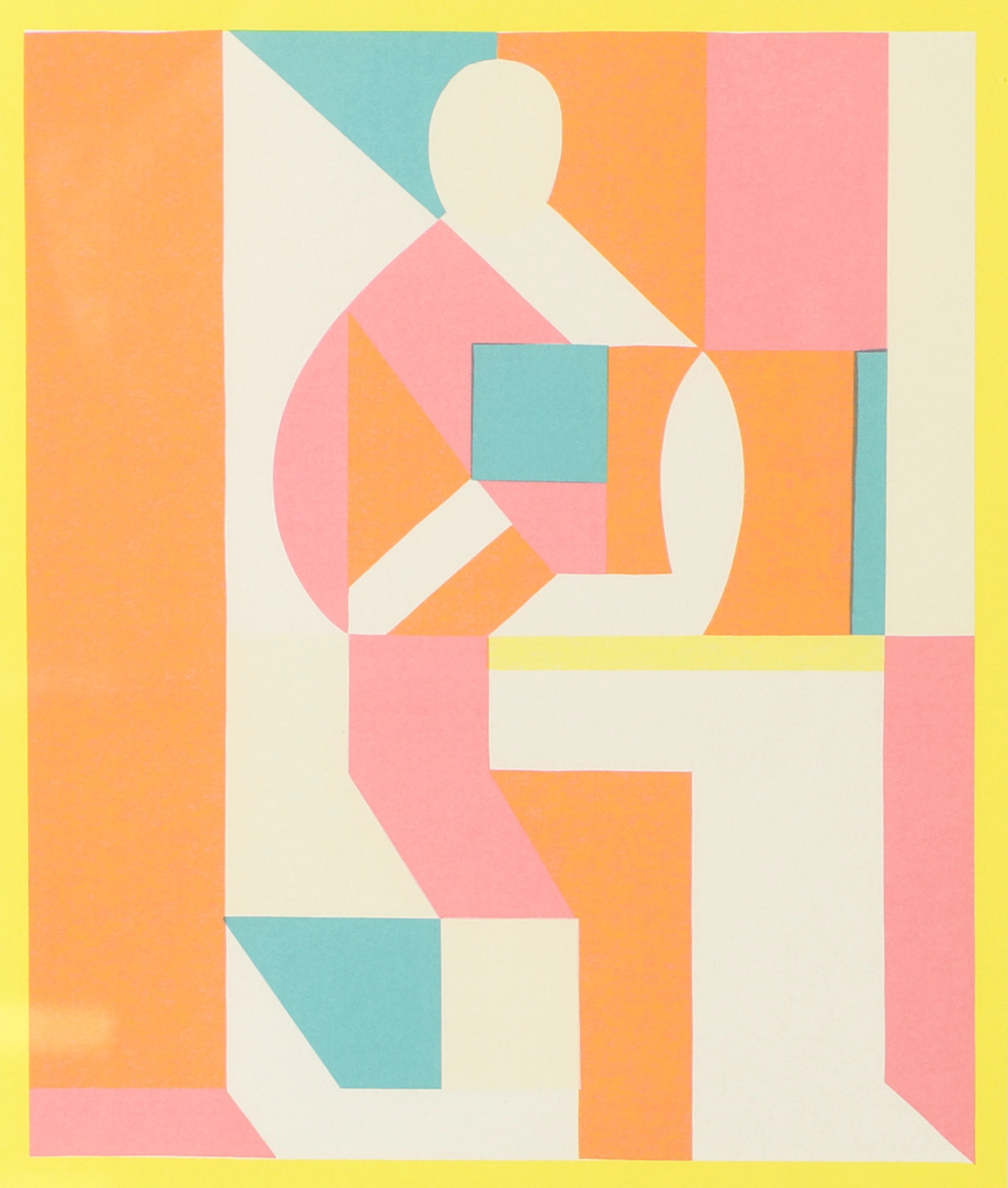
OLLE NYMAN. Geometrisk komposition, färglitografi, signerad -78.
10/09/2026

€98.18
Stima: €53.66
Porta la tua asta ai collezionisti di tutto il mondo!
Pubblica ora