
Tutte le aste / Arte Antica / Medieval

Medieval
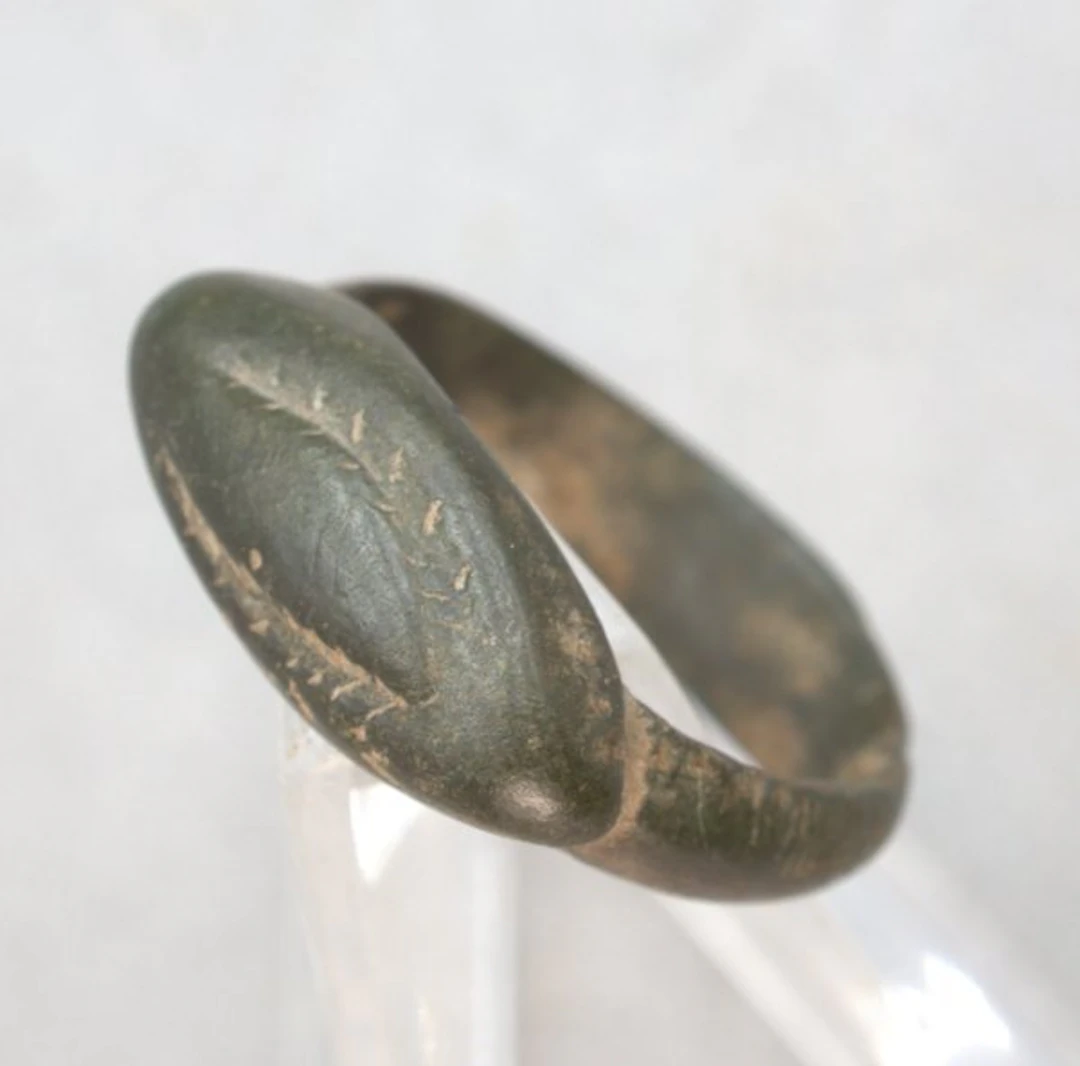
Medieval Bronze Ring with Stylised Vulva – Fertility Symbol Culture / Period: Medieval, Crusader period Date / Period: 11th–14th century Material: Bronze Dimensions: 20 mm outer diameter Condition: Good condition No shipping outside theopean Union. Due to complex export regulations concerning cultural goods, this item cannot be shipped outside the EU. Please ensure you have a delivery address within theopean Union before placing a bid. Provenance information: Object Registration ID: 973 The current owner (S.N.J. S.) purchased the ring with a stylised vulva, described as a fertility symbol, from B.N. in Schiedam, The Netherlands. The previous owner, B.N. from Schiedam, did not provide information concerning when the object entered his collection. According to the previous owner, the object had previously been in a private collection in The Netherlands. The date on which it entered that collection is unknown. No further information concerning the earlier ownership history of the object was available from the previous owner. Background Information: This bronze finger ring has an expanded oval bezel with a simple incised central design. The motif has been interpreted as a stylised representation of the vulva and consequently associated with fertility. Such an interpretation is possible, although without a documented archaeological context or a securely identified parallel, the precise meaning of the design cannot be established with certainty. Sexual and fertility imagery did not disappear fromopean material culture with the end of antiquity. During the medieval period, representations of genitalia could occur in secular, humorous, apotropaic and symbolic contexts. Images associated with sexuality and fertility could carry meanings relating to reproduction, marriage, protection or good fortune, although their interpretation depended strongly on context. Bronze rings were widely worn throughout medieval society and were produced by specialised metalworkers using casting and finishing techniques. Compared with precious-metal jewellery, copper-alloy rings provided an accessible means of personal adornment and could incorporate religious, heraldic, symbolic or purely decorative motifs. Their small size also made them highly personal objects that accompanied their owners in everyday life. Attributed to the 11th–14th century, this ring belongs broadly to the High and Late Medieval period, overlapping chronologically with the Crusades. Its simple construction and enigmatic imagery reflect the diverse symbolic vocabulary encountered on medieval personal ornaments. It forms a tangible connection to medieval daily life and to the personal beliefs and symbolism that could be expressed through objects worn directly on the body.
Stima:€210
Vai all’astaVedi tutti gli oggetti diCatawikioArte Antica
Stima:
€210
Oggetti simili
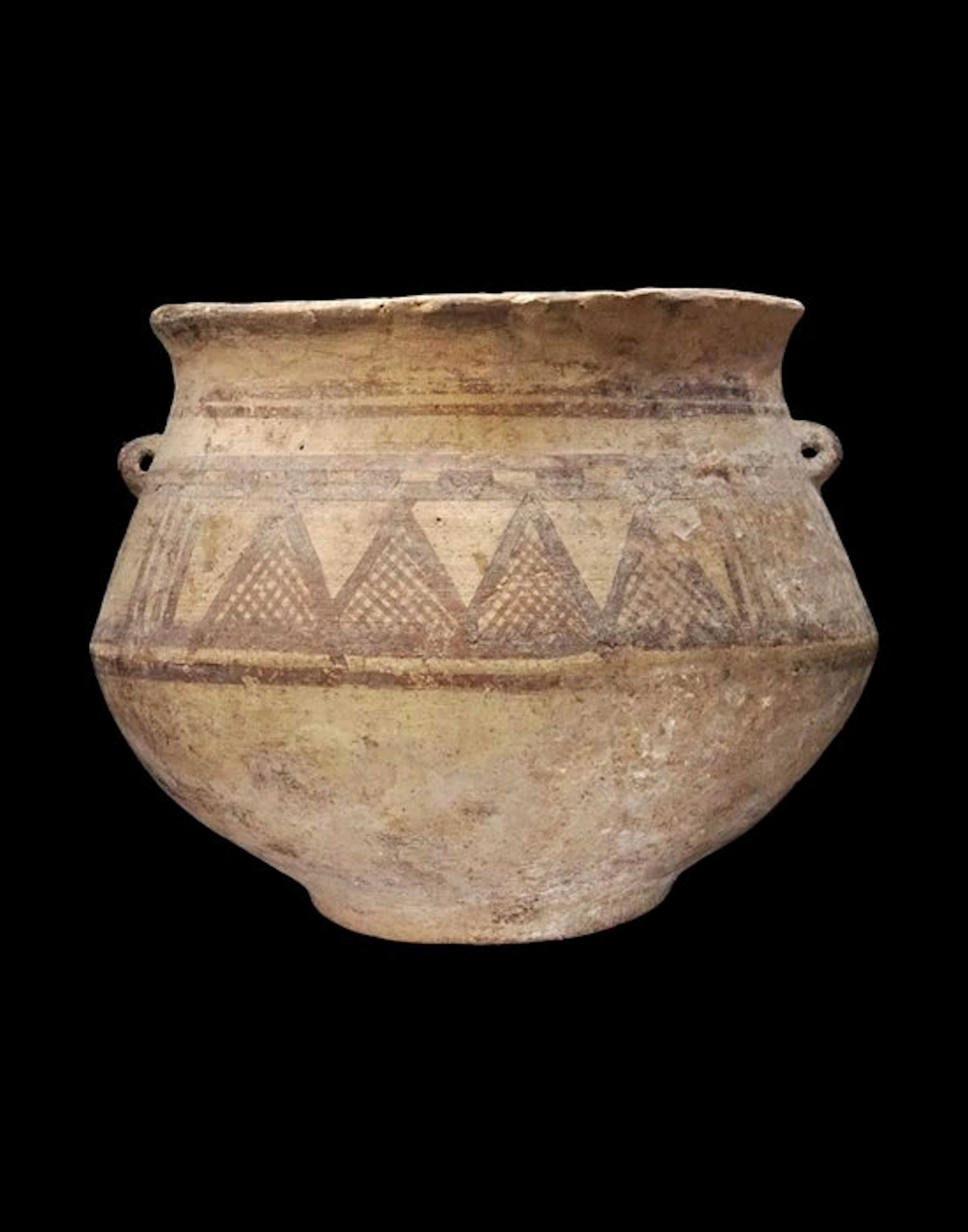
Risultati d’asta per oggetti simili
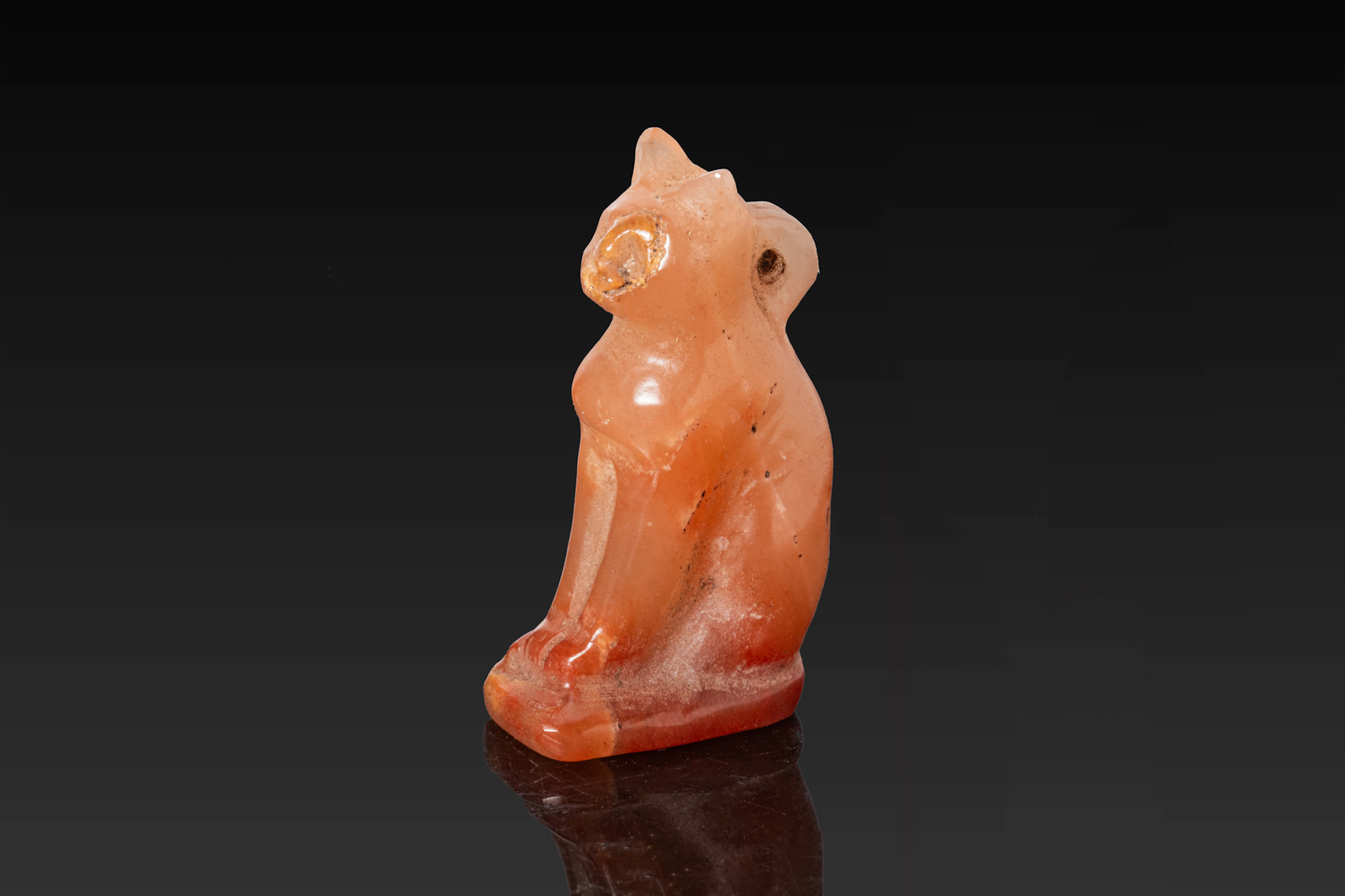
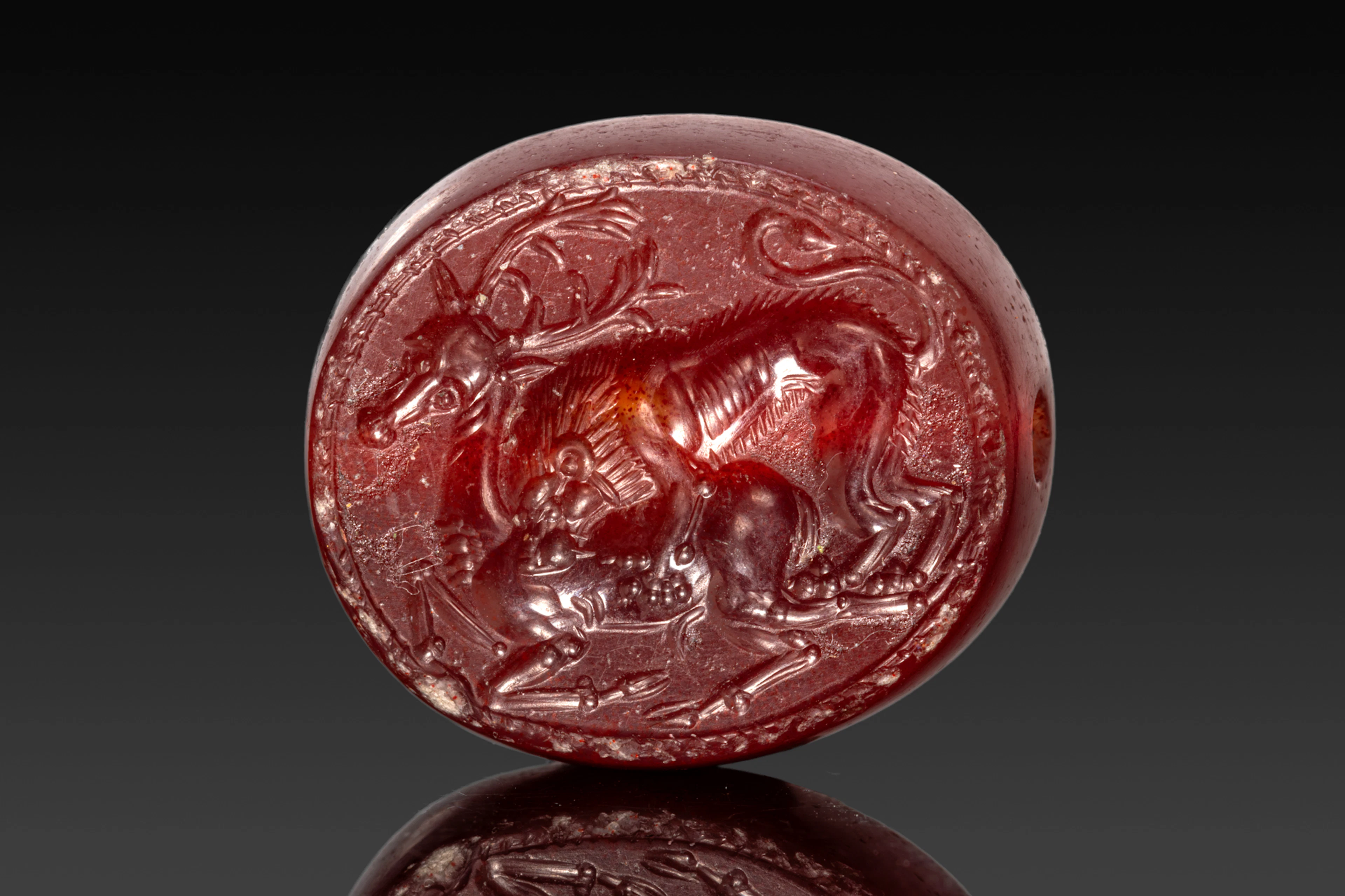
ETRUSCAN CARNELIAN STAMP SEAL WITH A LION ATTACKING A STAG
06/21/2026

€5,796.91
Stima: €5,773.91
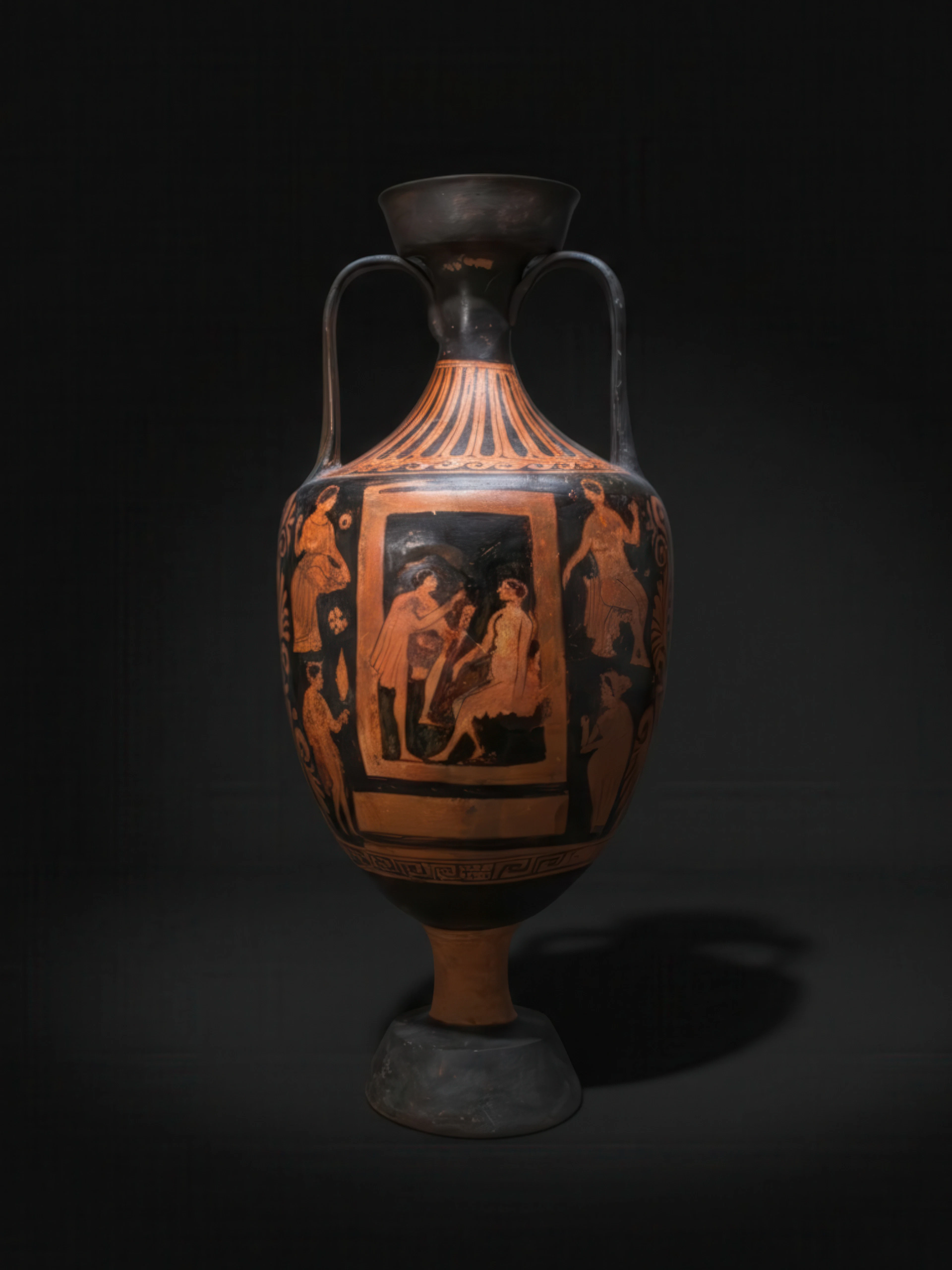
LARGE APULIAN RED-FIGURE AMPHORA WITH NAISKOS SCENE AND ALTAR
06/21/2026
€6,376.6
Stima: €5,773.91
Porta la tua asta ai collezionisti di tutto il mondo!
Pubblica ora