Henricus Engelbertus Reijntjens (1817-1900), Attributed to - Esther
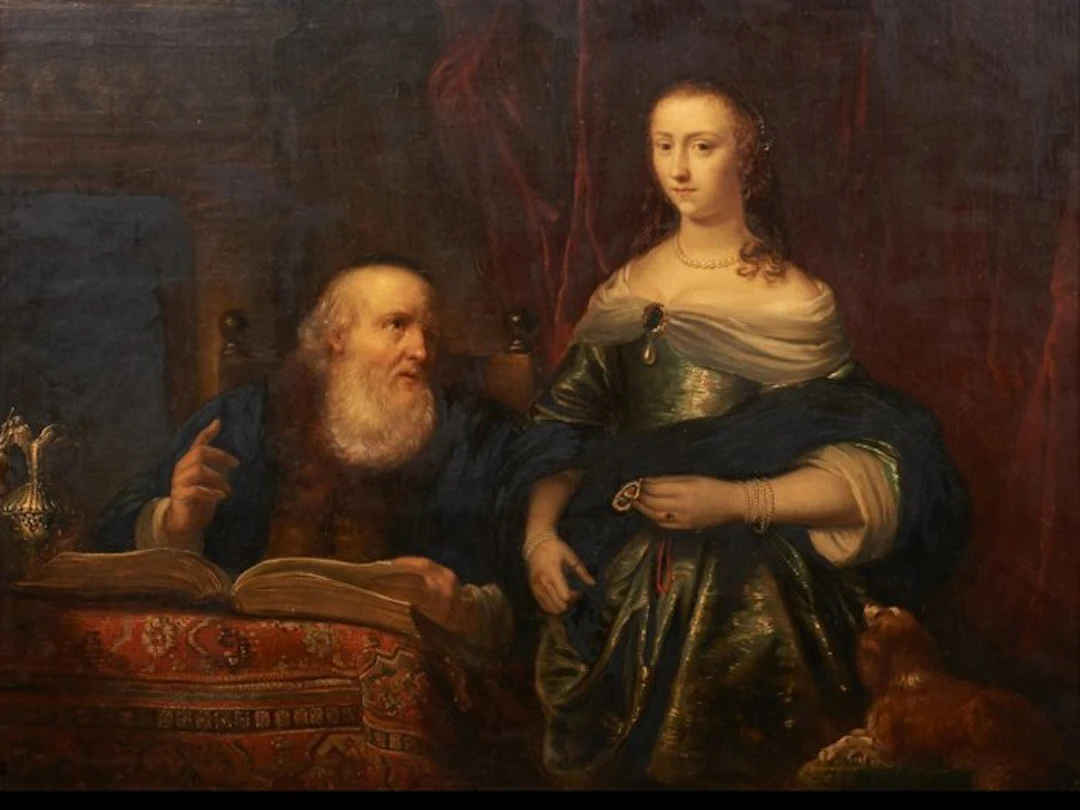
Henricus Engelbertus REIJNTJENS (Amsterdam, 1817 – 1900) "Esther and Mordecai" Oil on mahogany panel Signed and dated "H.E. Reijntjens 1848" lower left Dimensions: 56 × 70 cm (excluding frame) Estimate: €4,000 –€ 6,000 Provenance: Private collection, France] A Brilliant Reinterpretation of the Dutch Golden Age Painted in 1848, this masterful panel dates from the most prolific period of Henricus Engelbertus Reijntjens’ career, just a few years before his election to the prestigious Royal Academy of Fine Arts in Amsterdam (1855). A pupil of Jan Adam Kruseman, Reijntjens displays here the full extent of the technical virtuosity that earned him great renown among prominent 19th-century European and American collectors. The composition of this large-format panel (56 × 70 cm) is a direct homage to the 1685 masterpiece by Aert de Gelder (a direct pupil of Rembrandt), now housed in the Museum of Fine Arts in Budapest. Reijntjens adopts the striking chiaroscuro inherited from the Leiden master to stage a moment of intense dramatic gravity from the Old Testament (Book of Esther, chapter 4). The elderly sage and scribe Mordecai, seated before the great ledger of the chronicles of the Persian Kingdom, fervently exhorts his ward, now queen, to intervene with King Ahasuerus to save the Jewish people from a decree of extermination. Romantic Sentimentality Serving Biblical Drama While respecting the psychological tension and staging of the original 17th-century scene, Reijntjens subtly infuses it with the aesthetic and narrative codes of 19th-century Romanticism. The artist distinctively alters the sapphire ring or intimate jewel originally held by Esther, replacing it with a set miniature portrait. This crucial iconographical detail transforms the reading of the work: by contemplating the features of her husband the King, Esther embodies her inner turmoil and the mortal danger she faces by breaking court protocol. The Virtuosity of a Fijnschilder The technical execution of the painting reflects the tradition of the Dutch "fine painters" (fijnschilders). Rendered on a perfectly smooth wooden panel, the paint layers offer a precious, almost enamel-like finish. Reijntjens demonstrates an obsessive meticulousness in his rendering of textures: the shimmering satin reflections of Esther's ceremonial gown, the heavy weave of the Oriental carpet covering the table, the luster of the pearls, and the fine script of the open book create a rich chromatic harmony dominated by deep reds and emerald greens. This work stands as an exceptional testament to 19th-century Romantic historicism, celebrating the enduring legacy of the Dutch Old Masters through the lens of modern sensibility.
Stima:€5,000
Vai all’astaVedi tutti gli oggetti diCatawikioAltro