




Tutte le aste / Mobili, Design & Specchi / Escuela Española - Sculpture

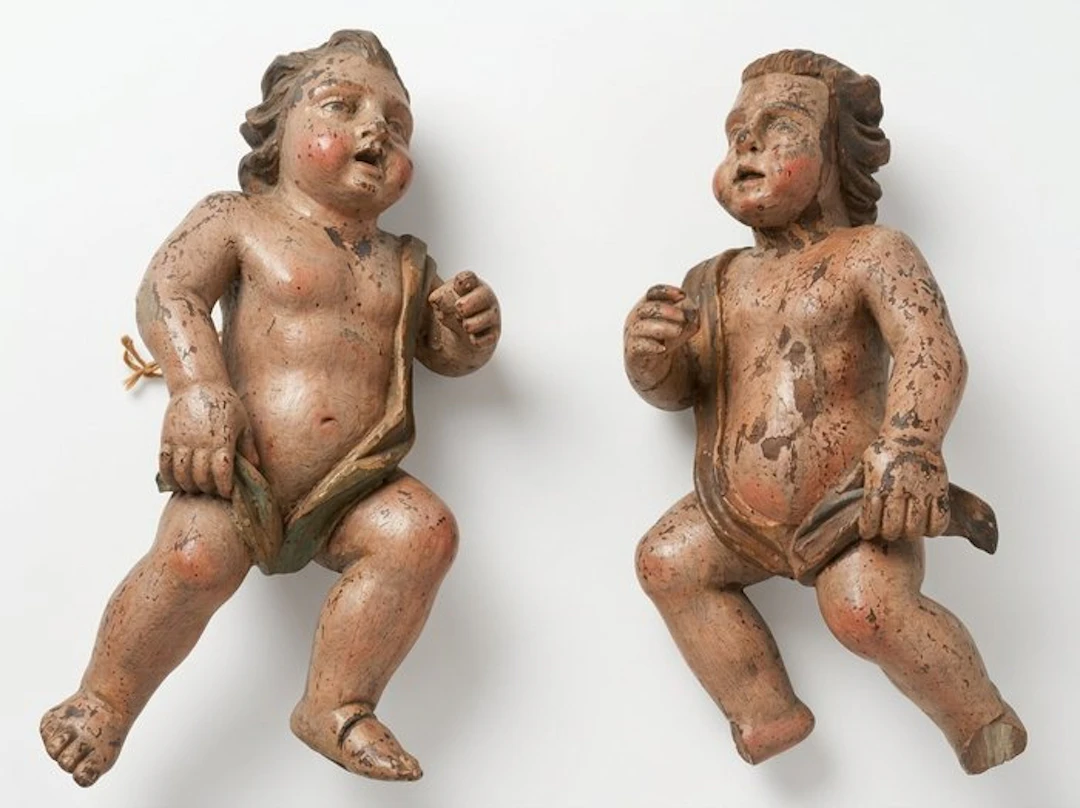
Pair of mid-size Baroque angels (half a vara, an old Spanish unit of length), conceived in a markedly dynamic attitude and carved in wood, stuccoed and polychromed. The ensemble rigorously responds to the models and styles of the great Andalusian sculptural tradition of the 17th century. The two figures represent angels with a childlike appearance and fleshy anatomy, captured in poses of lively movement and spatial contortion. They are presented practically nude, covered only by drapery of purity that adapts and clings to their bodies. The fall into broken folds and the fluid way they interlace with the rest of the carving is an enormously characteristic and defining feature of Andalusian Baroque compositions. Both children display rounded faces, chubby cheeks, slightly opened lips, and lively, theatrical expressions, with a gesturality that suggests they were integrated into a higher scenic narration. One of the most outstanding aspects of the ensemble is the meticulous treatment of the hair, formed by wavy locks that fall around the faces. The tresses acquire a profoundly volumetric and dense character, reinforcing the luminous vibration and the sense of helicoidal agitation of the figures. The child anatomies are resolved through rounded, soft volumes, displaying prominent bellies, fleshy torsos, robust thighs, and limbs with a marked naturalism. The sculptor does not pursue an idealized or classical anatomy, but a deliberately affective, fleshy, and expressive interpretation, very typical of Hispanic Baroque devotion and iconography. They conserve significant remnants of their historical polychromy, notably the warm, reddish tones on the flesh in the cheeks and joints, as well as residual pigments in the hair and in the flashing folds of the drapery. Analyzing the back of the pieces, the flat or flaked execution of the rear, along with the presence of fixing or assembly holes, directly reveals their original function: they were not conceived as free-standing sculptures to be viewed in the round, but as a pair of angels adjoined, designed to be firmly anchored to the architecture of a altarpiece, canopy, or monumental wooden structure. This type of figures was constantly sought to ornament choir stalls (such as the famous one in the Córdoba Mezquita-Catedral), fascicles, portals, and altarpieces in numerous Andalusian temples and convents. Regarding their state of conservation, the sculptures show the logical traces of time: losses, warping, and generalized wear of the superficial pictorial layer. Nevertheless, the areas where the polychromy has disappeared allow clear appreciation of the stucco backing (preparatory coat) and even the actual grain and quality of the wood of the support, providing an additional technical testimony about the constructive processes of Andalusian Baroque imagery.
Stima:€3,000
Vai all’astaVedi tutti gli oggetti diCatawikioMobili, Design & Specchi
Stima:
€3,000
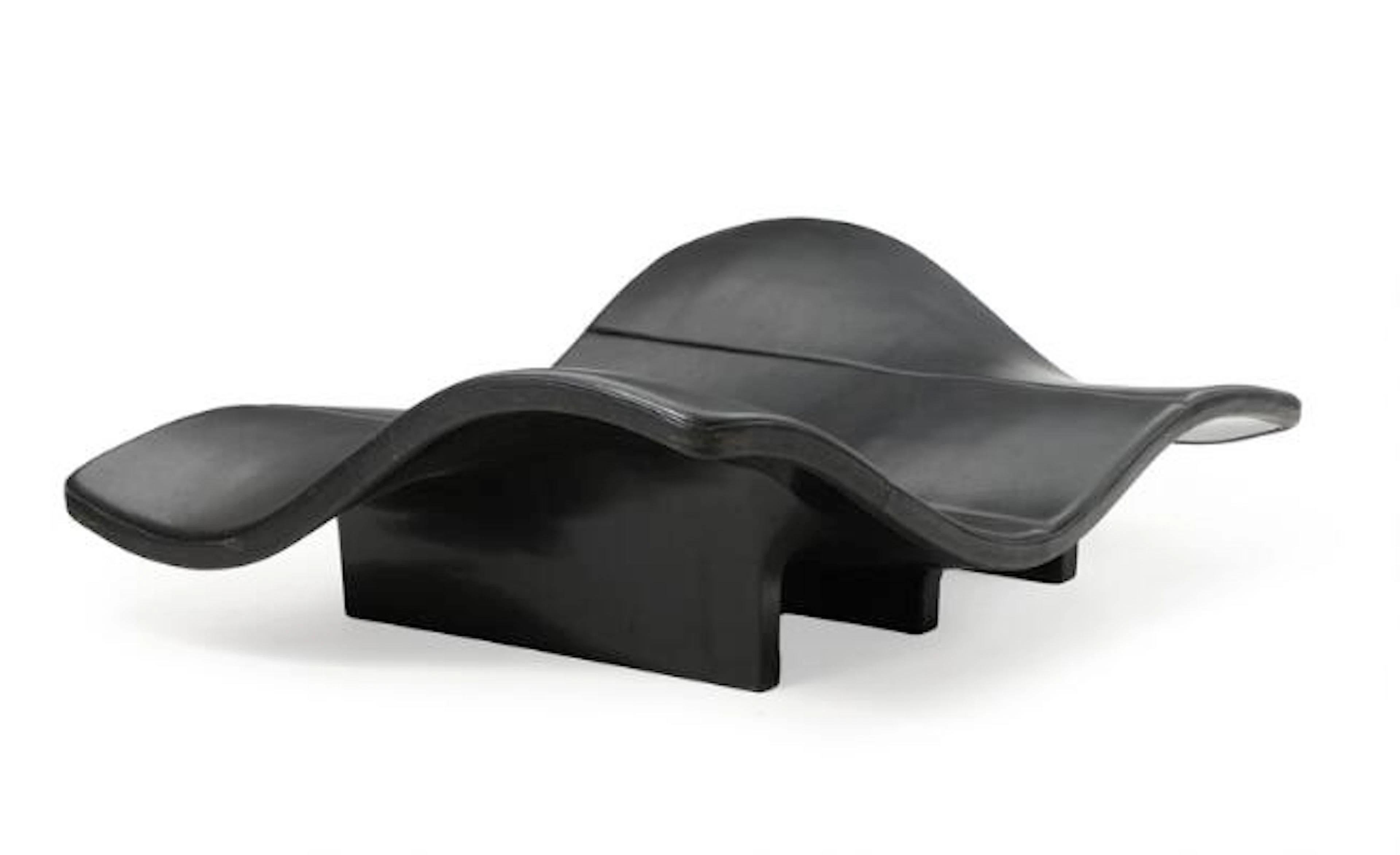
Anne-Mette Jensen, Morten Ernst: "Waves". Sculptural chaise longue
09/01/2026

€1,404
Stima: €2,006.26
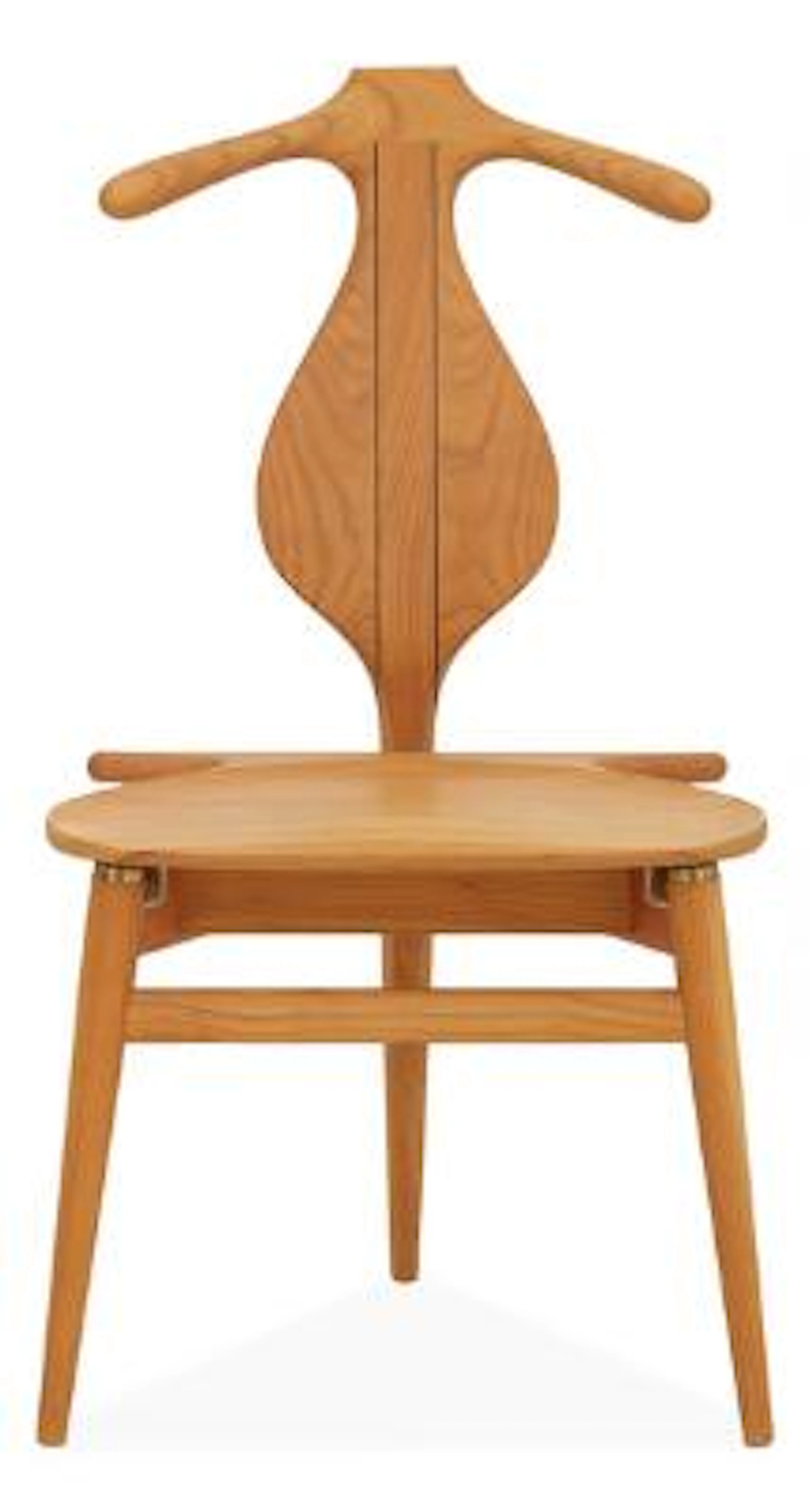
Hans J. Wegner: "The Valet Chair". Sculptural cherry wood chair with
08/04/2026
€4,280.7
Stima: €5,350.76
Porta la tua asta ai collezionisti di tutto il mondo!
Pubblica oraIscrivendoti, accetti la politica sulla privacy. Annulla l'iscrizione in qualsiasi momento.
Barnebys HQ
Brahegatan 10
BOX 5038
114 37 Stockholm
