
Tutte le aste / Etnografia / Clypeaster rosaceus sea biscuit - Natural Exoskeleton...

Clypeaster rosaceus sea biscuit - Natural Exoskeleton...
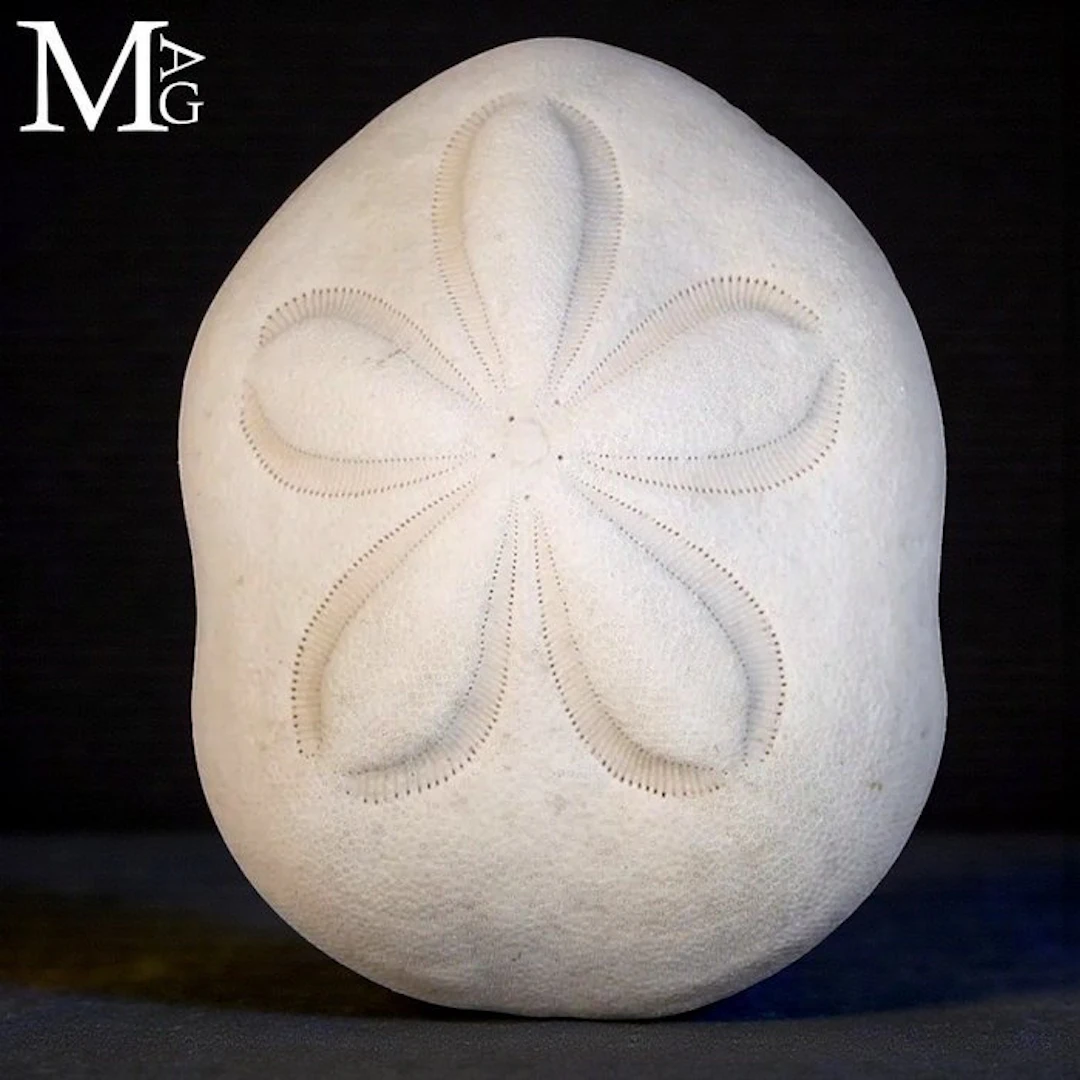
Sea Biscuit (Irregular Sea Urchin) - Clypeasteridae — A magnificent specimen of Clypeaster rosaceus is presented, an irregular sea urchin commonly known as the "sea biscuit," coming from the warm, sandy waters of the Caribbean region. This test, or shell, stands out for its excellent preservation state and the integrity of its complex natural architecture. Its most fascinating feature is the elegant five-petaled design on the upper surface, a pentaradial symmetry that testifies to its belonging to the phylum Echinodermata. The specimen, with its ivory-white color and gently domed shape, is a natural history artifact with striking visual impact. Careful observation reveals an intricate and perfectly formed structure. The aboral (upper) surface is dominated by the petaloid ambulacra, a five-petaled floral decoration. Each “petal” consists of rows of tiny pores through which, in life, ambulacral pedicellariae with respiratory functions extended. At the center of this star lies the apical system with the madreporic plate. The oral (lower) surface is flatter and shows at the center the opening of the mouth (peristome). Toward the posterior margin, a second, smaller opening is visible, the anus (periproct). The entire shell surface is finely granular, covered by innumerable small tubercles on which the dense and short spines that once equipped the animal articulated. Clypeaster rosaceus is an echinoid that lives partially buried in sandy bottoms of tropical coastal zones. Unlike regular sea urchins (spherical), these organisms have developed a flattened shape and a bilateral symmetry that overlays the ancestral radial symmetry, an adaptation for moving and feeding in their habitat. The skeleton is a sturdy calcium carbonate capsule, formed by polygonal plates firmly fused together. After the animal’s death, the soft tissues and spines decompose quickly, and the smoothing action of the sea and the bleaching power of the sun cleanse the shell, revealing its pure structural beauty. This specimen is the perfect result of that natural process. Clypeaster skeletons have long been coveted collectible objects since the days of the first Wunderkammern (cabinets of curiosities) of the Renaissance, where they were displayed as extraordinary curiosities from the natural world. Their almost perfect geometry and sculptural appearance make them elements of great fascination. Today, a specimen of this quality represents a sophisticated decorative object, capable of bringing a touch of marine elegance into a study, a library, or a contemporary setting. It is not just a biological relic, but a true sculpture created by nature, a symbol of the mathematical perfection that governs living forms.
Stima:€150
Vai all’astaVedi tutti gli oggetti diCatawikioEtnografia
Stima:
€150
Oggetti simili

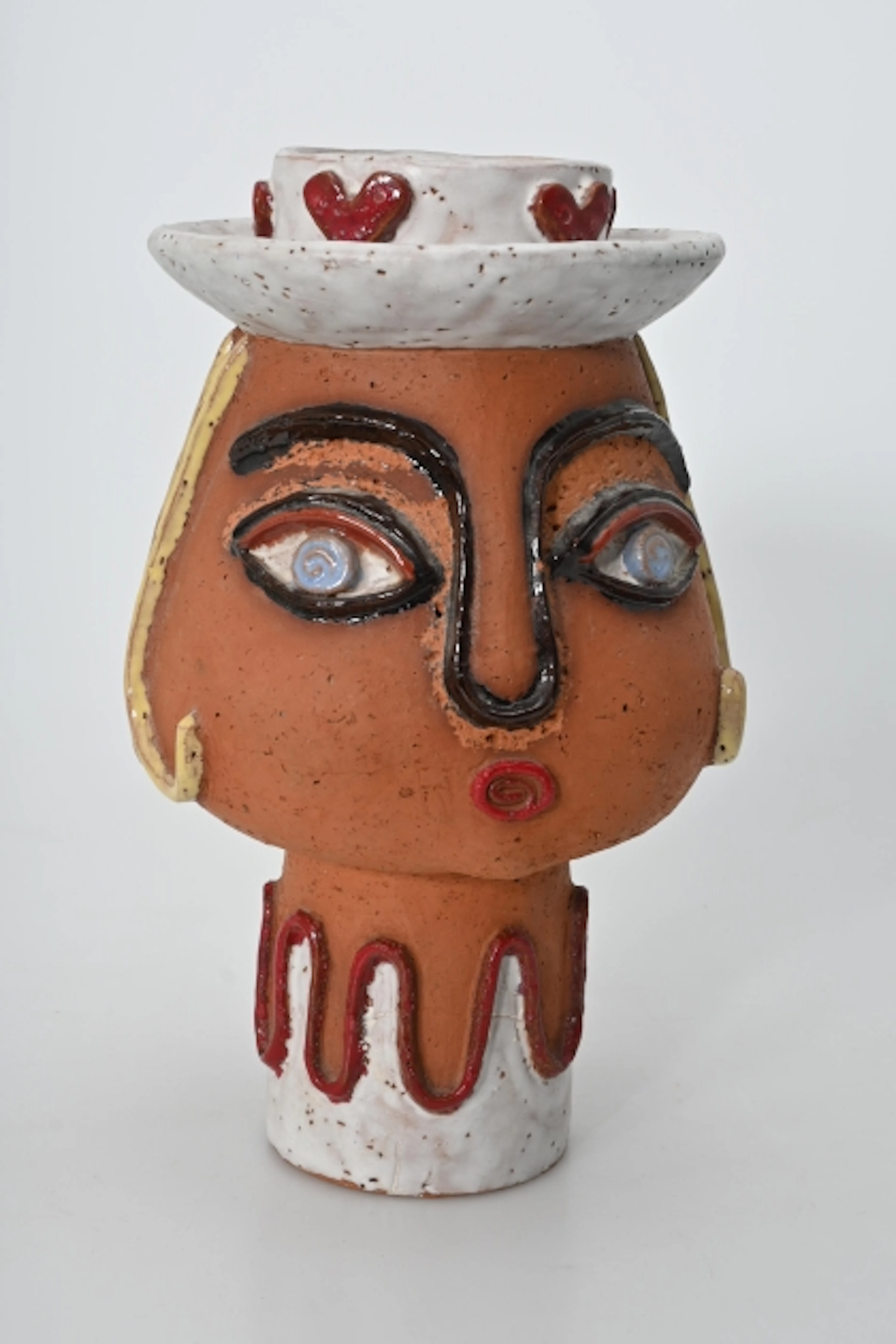
Risultati d’asta per oggetti simili
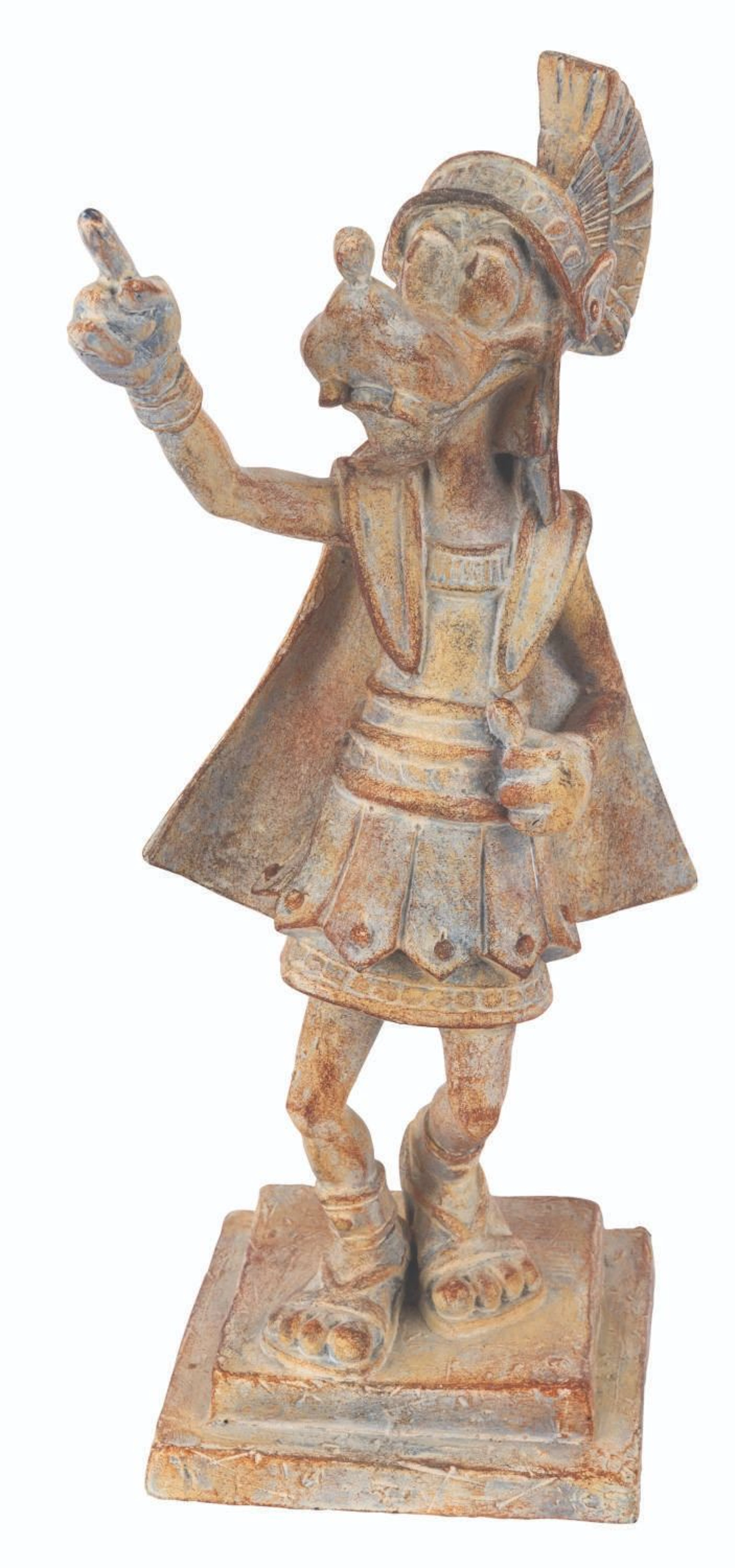
A Disney Store Caesar's Palace Goofy Statue.
10/10/2026
€446.24
Stima: €175.58
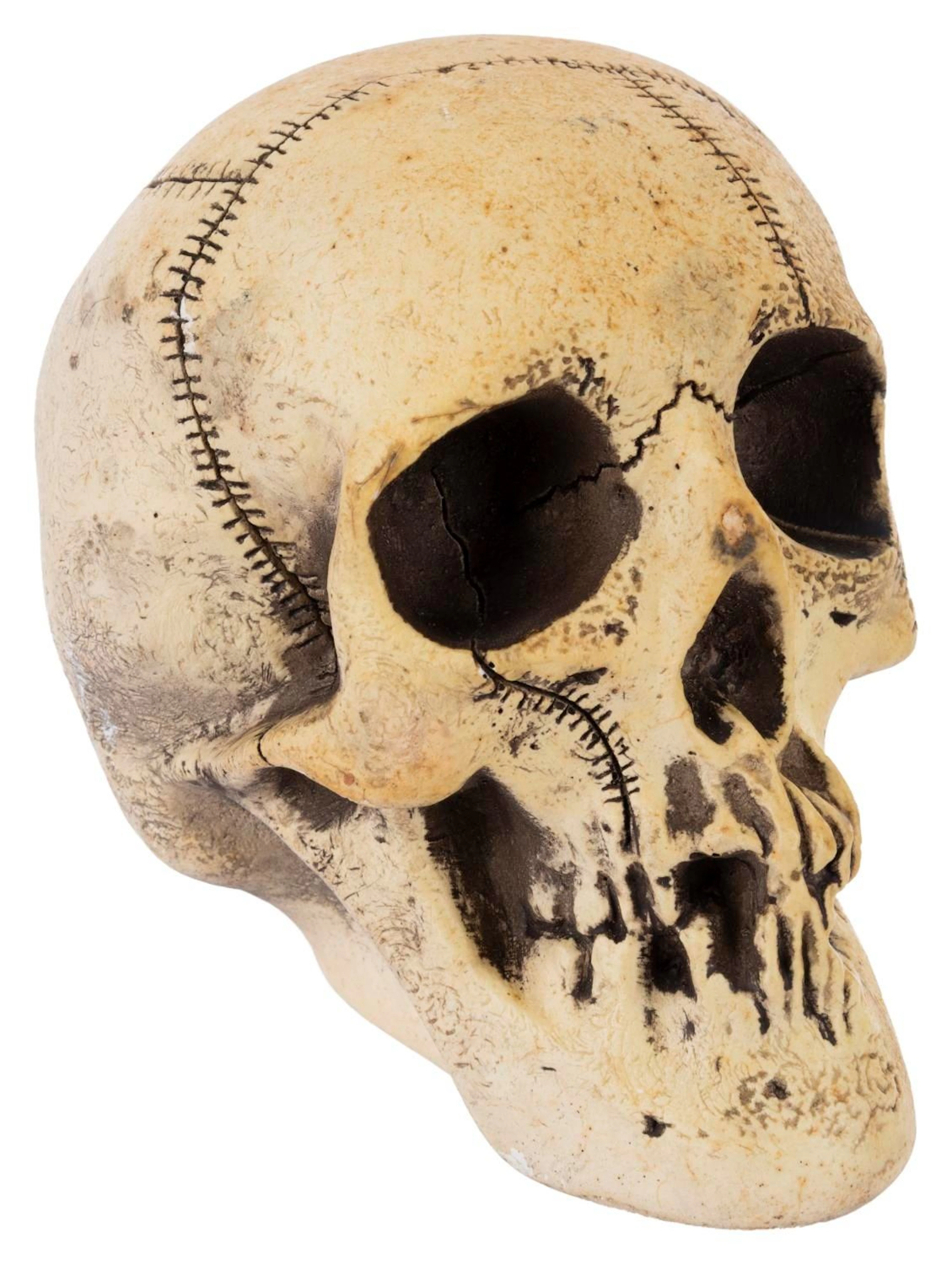

A Sleeping Beauty Castle Walkthrough Maleficent Prop.
10/10/2026
€13,387.35
Stima: €877.91
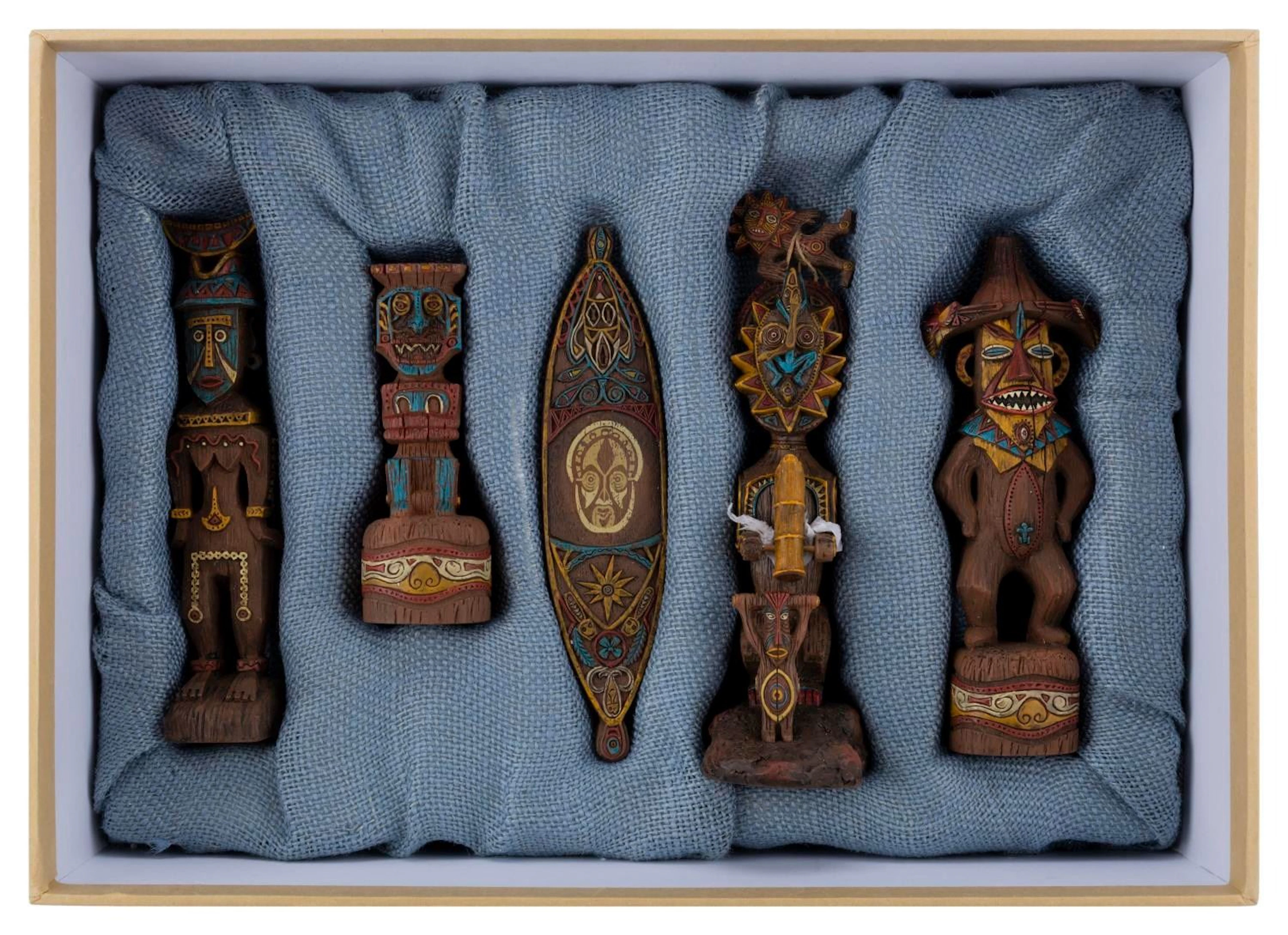
A Kevin & Jody Enchanted Tiki Room Garden Gods Box Set.
10/10/2026
€334.68
Stima: €263.37
Porta la tua asta ai collezionisti di tutto il mondo!
Pubblica ora