




NOV 8 | 1:00 PM

Tutte le aste / Arte Antica / Celtic Bronze lot with fibulae, cultic rings, animal head (No reserve price)


Celtic Bronze Collection with Fibulae, Cultic Rings and Animal-Head Fitting Culture / Period: Celtic, Late La Tène Period Date / Period: 3rd–1st century BC Material: Bronze Dimensions: 15–68 mm Condition: Good condition. No shipping outside the European Union. Due to complex export regulations concerning cultural goods, this item cannot be shipped outside the EU. Please ensure you have a delivery address within the European Union before placing a bid. Provenance information: Object Registration ID: 1051 The current owner (S.N.J. S.) purchased the lot with fibulae, cultic rings and an animal-head fitting from J.P. in Eijsden, the Netherlands. The previous owner, J.P. from Eijsden (the Netherlands), stated that the objects had been in his collection since the 1990s. According to the previous owner, the objects had previously been in a private collection in the Netherlands since the 1990s. No further information concerning the earlier ownership history of the objects was available from the previous owner. Background Information: Bronze ornaments, fibulae, rings and decorative fittings formed an important part of Celtic material culture during the La Tène period, particularly between the 3rd and 1st centuries BC. During this era, Celtic communities occupied extensive regions of Central and Western Europe, including present-day France, Germany, Belgium, the Netherlands and parts of the British Isles. Their metalworking traditions were characterised by skilled craftsmanship, practical construction and distinctive decorative forms. This collection brings together several characteristic elements of Celtic bronze craftsmanship, including fibulae, rings, decorative fittings and an animal-head ornament. The fibulae represent an important category of personal equipment, functioning as dress fasteners used to secure cloaks and garments. Celtic fibulae were generally manufactured from bronze or iron, with carefully shaped bows, springs and fastening pins. Their designs developed considerably throughout the La Tène period, reflecting changing fashions, regional traditions and advances in metalworking techniques. The rings and circular fittings illustrate another important aspect of Celtic material culture. Bronze rings served various practical and decorative functions, including use as attachments for clothing, belts, horse equipment and other personal accessories. Certain ring-shaped objects are also associated with ritual practices and votive deposits, reflecting the significance of metal objects in Celtic religious traditions. Rings and ornaments were sometimes deposited in sanctuaries, rivers and other locations associated with ceremonial activity. Animal imagery occupied a prominent position in Celtic art. Stylised representations of birds, horses, boars and other animals appeared on weapons, jewellery, harness fittings and ceremonial objects. These designs often combined recognisable animal features with abstract and flowing forms characteristic of La Tène artistic traditions. The animal-head fitting in this collection reflects this decorative approach, demonstrating how Celtic craftsmen incorporated zoomorphic elements into functional and ornamental metalwork. The collection also includes a decorated bronze plate with raised elements, illustrating the use of geometric and textured surface decoration in Celtic metalworking. Such fittings could form part of larger objects, including personal equipment, containers or other decorated items. Their production required knowledge of bronze casting, shaping and finishing techniques, which were well established among Celtic craftsmen. Celtic bronze objects were manufactured in specialised workshops using casting, hammering and finishing techniques. Craftsmen worked within established regional traditions while exchanging materials, finished products and artistic influences through extensive trade networks. During the later La Tène period, contacts between Celtic communities and the Mediterranean world intensified, particularly through trade with Roman territories. These interactions contributed to the circulation of metal objects and the exchange of decorative styles across large parts of Europe. The 3rd–1st centuries BC represent an important period in Celtic history, marked by the development of fortified settlements known as oppida, expanding commercial networks and increasing contact with the Roman Republic. Bronze ornaments and personal fittings remained important expressions of craftsmanship, social identity and everyday material culture during this period of political and cultural transformation. This collection offers an interesting insight into the diversity of Celtic bronze craftsmanship, combining practical dress accessories, decorative fittings, animal imagery and objects associated with ritual traditions. Together, these pieces provide a direct and tangible connection to the Celtic communities of the La Tène period, reflecting the artistic traditions, technical skills and everyday practices of pre-Roman Europe.
Stima:€210
Vai all’astaVedi tutti gli oggetti diCatawikioArte Antica
Stima:
€210
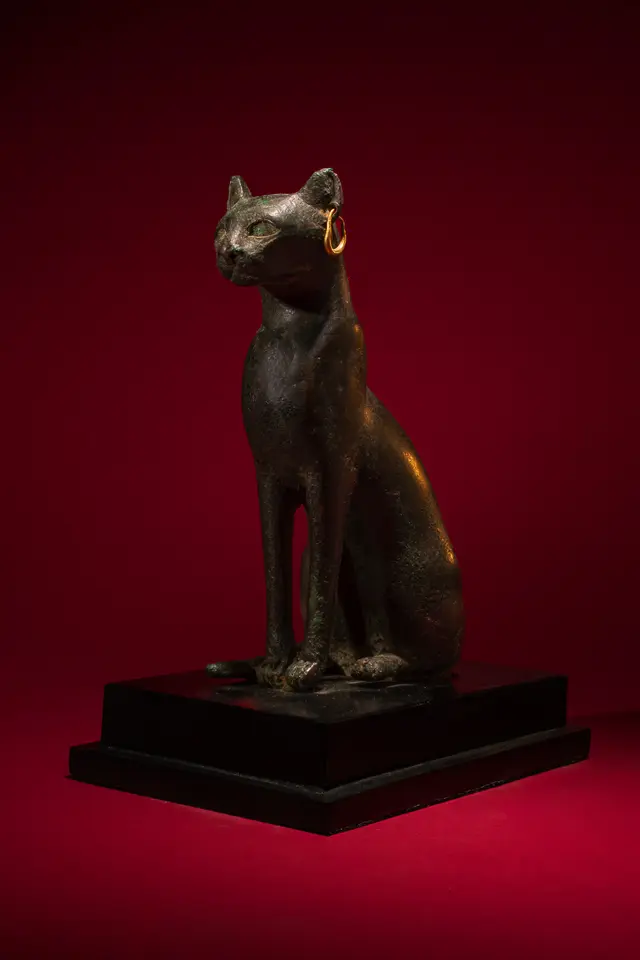
RARE EGYPTIAN BRONZE CAT STATUETTE WITH GOLD EARRINGS - LARGE SIZE
06/21/2026

€25,506.4
Stima: €23,095.64
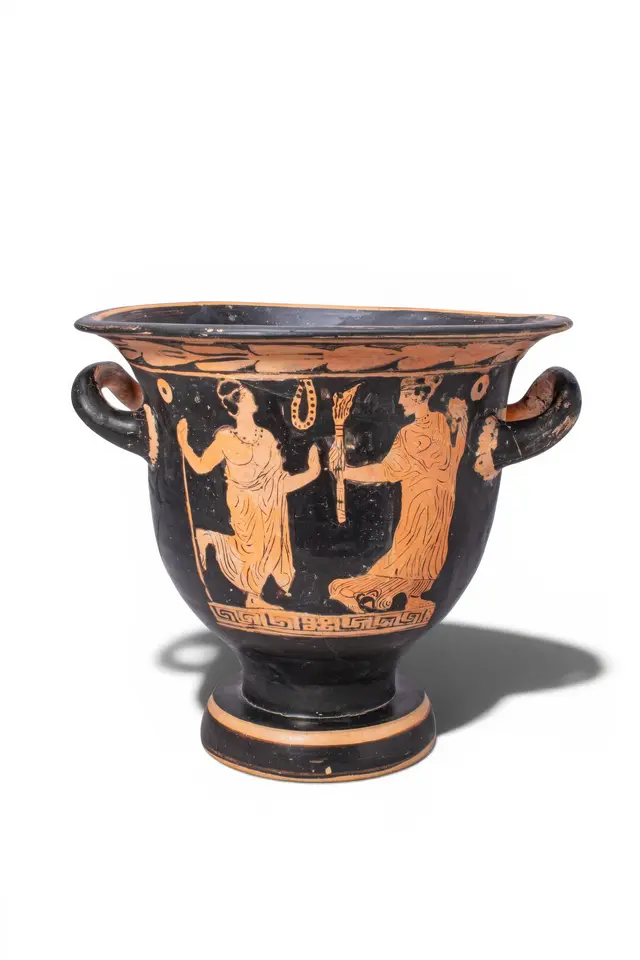
APULIAN RED-FIGURE BELL KRATER WITH KOMASTOS AND MAENAD - TL TESTED
06/21/2026
€3,014.39
Stima: €2,304.2
NOV 8 | 1:00 PM


Porta la tua asta ai collezionisti di tutto il mondo!
Pubblica oraIscrivendoti, accetti la politica sulla privacy. Annulla l'iscrizione in qualsiasi momento.
Barnebys HQ
Brahegatan 10
BOX 5038
114 37 Stockholm
