





Tutte le aste / Libri, Mappe & Manoscritti / Ausonio - Decii Ausonii Burdegalensis Opuscula Varia - 1540

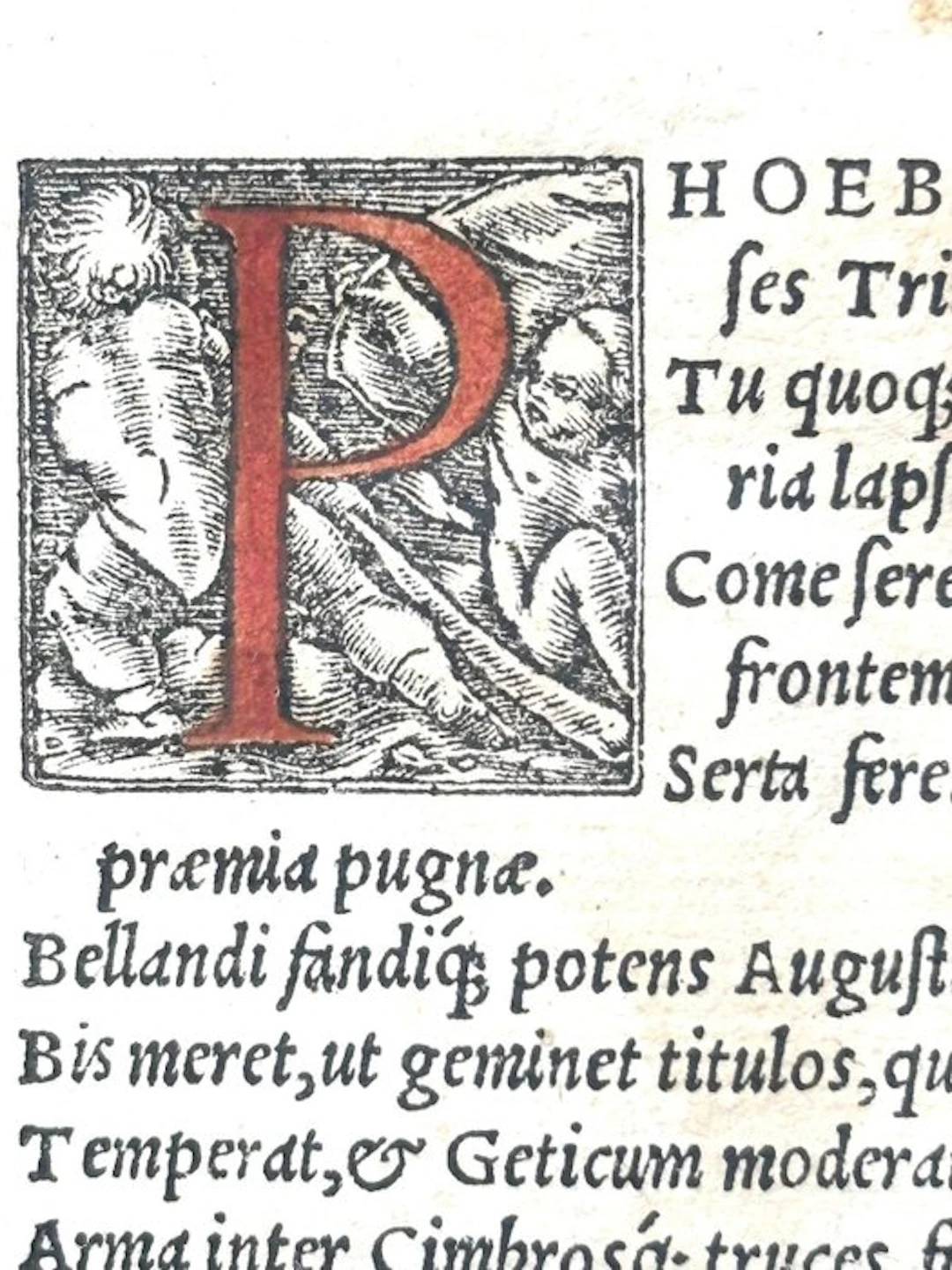
Decii Ausonii Burdigalensis, viri consularis opuscula varia Lyon, at Seb. Gryphium, 1540 · Latin Literature · Sixteenth-century Edition The author: Decimo Magno Ausonio Decimo Magno Ausonio (circa 310 – circa 395 AD) was one of the most significant Latin poets of late antiquity. Born in Burdigala, today Bordeaux, he lived through a period of deep political, cultural, and religious transformations of the Roman Empire, distinguished by his rhetorical training and by his ability to blend classical erudition, social observation, and literary refinement. After teaching grammar and rhetoric, Ausonius rose to a prominent position at the imperial court, establishing relations with Emperor Gratian and holding important public offices, up to the rank of consul. His life as a man of letters and as an imperial administrator is reflected in a broad and intricate oeuvre, in which celebratory poetry, short pieces, epigrams, personal reminiscences, and descriptions of daily life coexist. His work has particular historical interest, as it testifies to the persistence of pagan literary culture and the Roman scholastic tradition during the progressive rise of Christianity. Ausonius represents, in this sense, a transitional figure between the classical world and late antiquity, able to preserve and rework forms and models of great Latin literature. The printer: Sébastien Gryphe The edition was printed in Lyon in 1540 at the press of Sébastien Gryphe (c. 1493–1556), one of the most important printers of the European Renaissance. Of German origin, Gryphe developed in the French city a high-level publishing activity, devoted especially to classical texts, philology, philosophy, and humanistic culture. His workshop distinguished itself for the quality of typographic composition, attention to textual accuracy, and the dissemination of user-friendly editions intended for scholars, teachers, students, and educated readers. Lyon, thanks to its commercial position and the liveliness of its print shops, was then one of the main European centers of book production. The title page of the copy presents the characteristic Renaissance typographic apparatus, with the author’s name arranged according to a strict visual hierarchy, the title spanning several lines, and the printer’s mark depicting a griffin. This griffin, accompanied by the motto Virtute duce, comite fortuna — “With virtue as guide and fortune as companion” — constitutes a distinctive element of Gryphe’s editorial identity. Condition: Excellent preservation, soft sixteenth-century binding, pages crisp with very light finishes, and from pages 107 to 110 these four pages are in anastatic reproduction. Overall a beautiful and hard-to-find copy in the market, intended for collectors of the highest level. The 1540 edition is documented in bibliographic catalogs, which record its publication in Lyon at Sébastien Gryphe and its extent as 231 leaves or pages bibliographically numbered as 231, [1] pages, in octavo form. The meaning and content of the work The title Decii Ausonii Burdigalensis, viri consularis opuscula varia can be translated as “Various Works of Decimius Ausonius of Bordeaux, a man honoured with the consul’s dignity.” The scalar term opuscula recalls the composite nature of the collection, intended to gather different poetic writings by the author and to convey to the reader the variety of his literary interests. The volume is part of the great Renaissance era of recovery, study, and dissemination of ancient authors. Through printing, texts that for centuries circulated mainly in manuscript form could reach a wider audience, becoming tools for study and models for humanistic formation. Ausonius’s production includes epigrams, encomiastic pieces, descriptive poems, and texts tied to personal memory. It reveals a concern for form, a taste for verbal play, mythological culture and rhetoric, and the ability to represent people, places, and customs of his time. His writing also offers valuable testimony on Gallo-Roman society of the fourth century, on intellectual relations, and on the prestige of literary culture in the imperial milieu. Thus, the value of the collection lies not only in the poetic quality of the individual pieces but also in the possibility of observing, through them, the continuity of classical tradition in a transitional era. Ausonius’s poetry preserves the patrimony of Latin culture and, at the same time, documents its transformations, making visible the dialogue between the Roman heritage and the new late antique reality. Cultural impact in sixteenth-century Europe In the sixteenth century, the rediscovery of classical authors was one of the foundations of Humanism and Renaissance culture. Knowledge of Latin, the study of rhetoric, and direct reading of ancient sources were regarded as essential elements in the education of poets, clergy, jurists, and officials. In this context, the publication of Ausonius’s works at Gryphe’s press takes on a meaning that goes beyond mere reproduction of an ancient text. The printed edition helped to make accessible an author valued for his erudition, the variety of his output, and the testimony offered about Roman civilization. Lyon represented a particularly favorable environment for this cultural circulation: the presence of specialized printers, booksellers, and international distribution networks fostered the spread of humanist texts beyond French borders. Editions of the classics thus became part of a European system for transmitting knowledge, in which printers, scholars, and readers participated in preserving and reinterpreting antiquity. The historical importance of this volume lies precisely in that process. It is not possible to attribute a specific influence to the single edition without further documentary evidence; however, it is possible to recognize it as a concrete expression of the editorial culture that helped engrain the presence of the classics in Renaissance intellectual formation. Collation: 2pp; (231pp) Initials watercolor-painted Conclusion The Lyonese edition of 1540 of the Opuscula varia of Decimius Magno Ausonius represents a significant testimony to the encounter between ancient Latin literature and Renaissance printing culture. It brings together the poetic legacy of a late antique author, the humanistic interest in rediscovering the classics, and the editorial skill of Sébastien Gryphe, a key figure in Lyon’s grand book era. The volume holds interest on several levels: literary, for the variety of Ausonius’s output; historical, for the testimony it provides on fourth-century Roman culture; bibliographic, for its place in sixteenth-century typographic production; and collectible, as a material specimen of the transmission of knowledge across centuries. A book of this kind is not only a vehicle for an ancient text, but also a document of the history of reading, printing, and preserving European cultural memory. Its presence in a collection of old books allows one to appreciate both the intellectual content of the work and the role played by Renaissance publishing in keeping the classical tradition alive. For collectors and scholars, the copy thus has particular value as a testament to a moment when the literary heritage of antiquity was again received, studied, and transmitted through the printed book. Shipping: express that will allow you to obtain the book in just 24 working hours from shipment for EU countries, while for non-EU countries 48 working hours will be required.
Stima:€275
Vai all’astaVedi tutti gli oggetti diCatawikioLibri, Mappe & Manoscritti
Stima:
€275
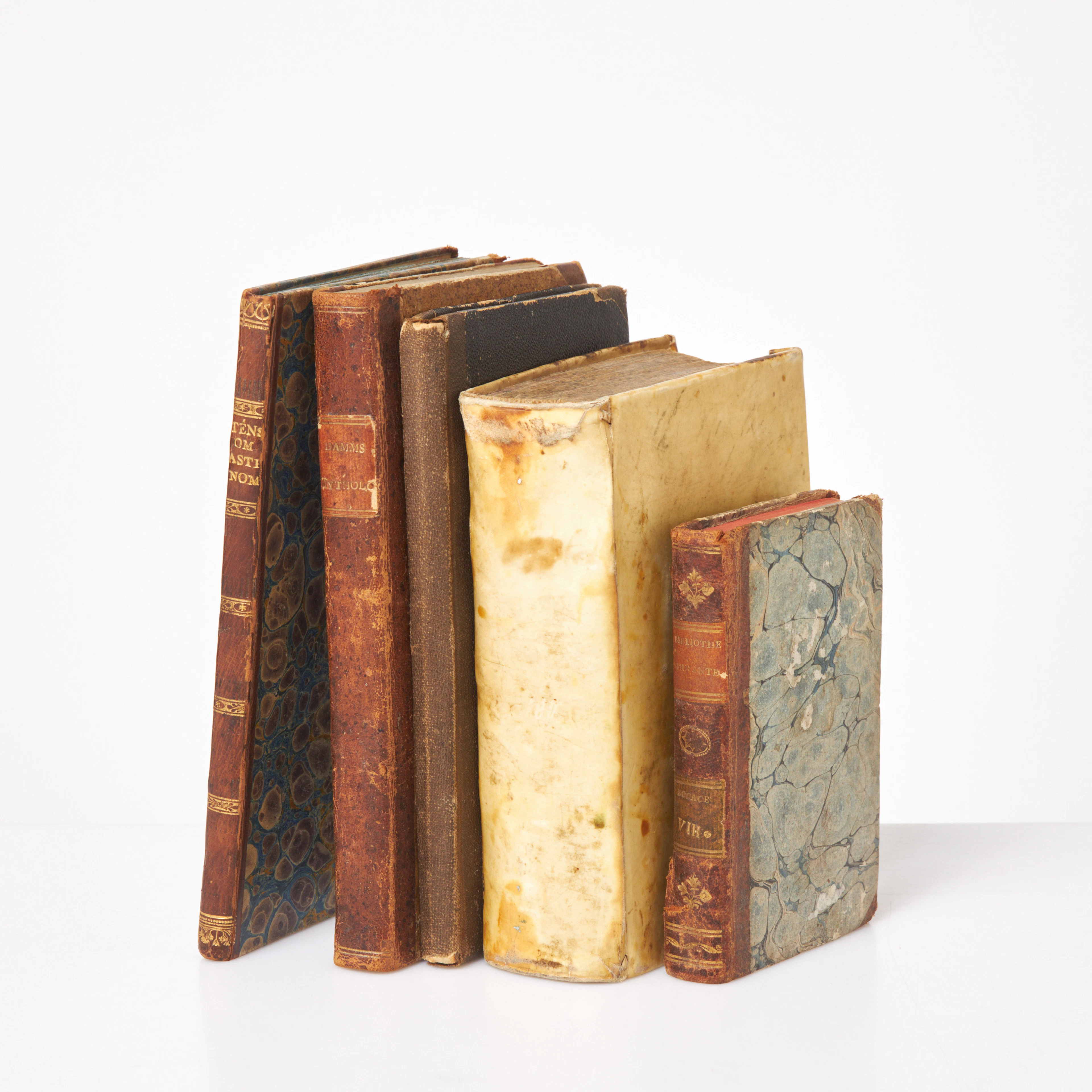
ÄLDRE BÖCKER, 5 st, Theologi, 1611, pergamentband, Grekerna och romarnas
10/15/2026
€58.35
Stima: €89.46
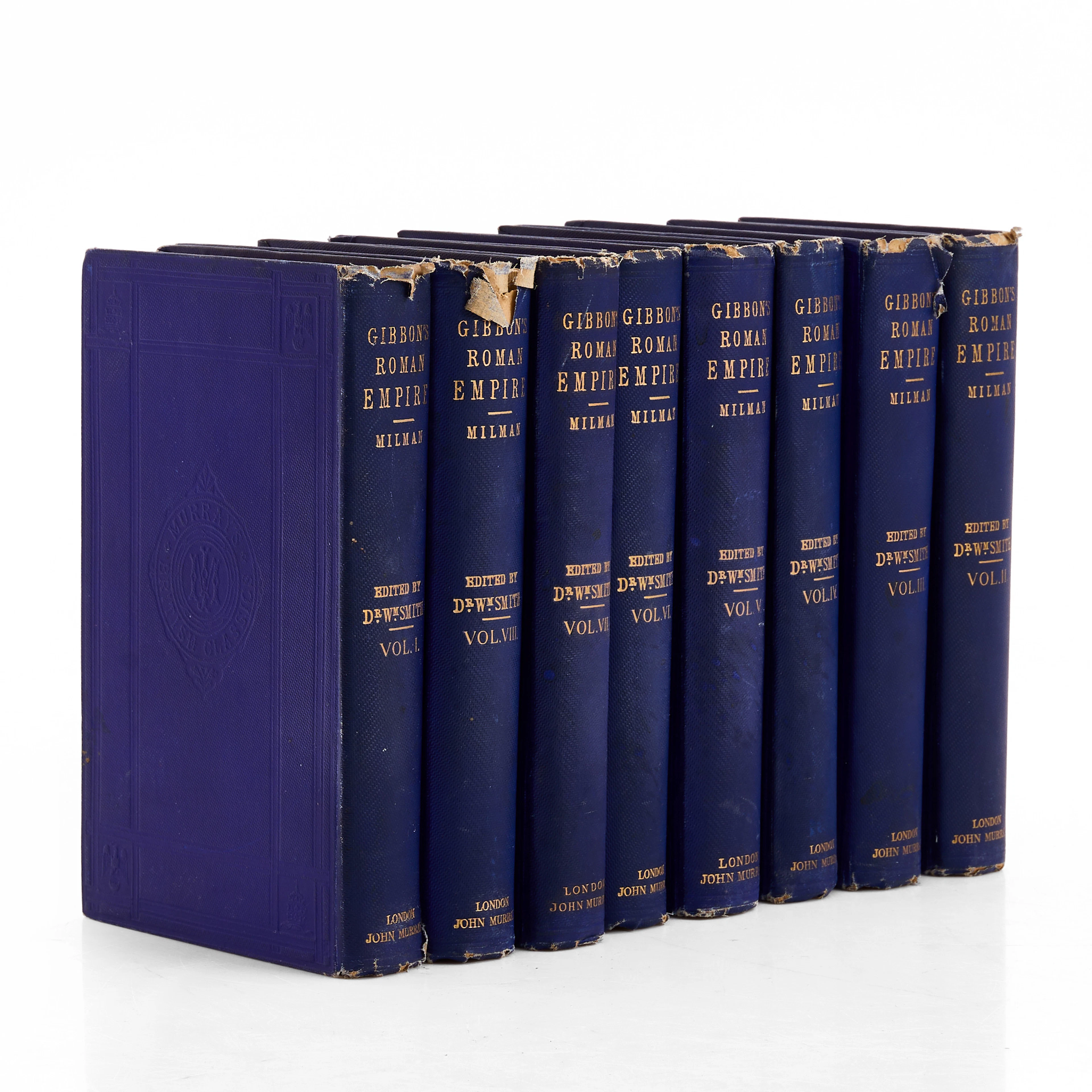
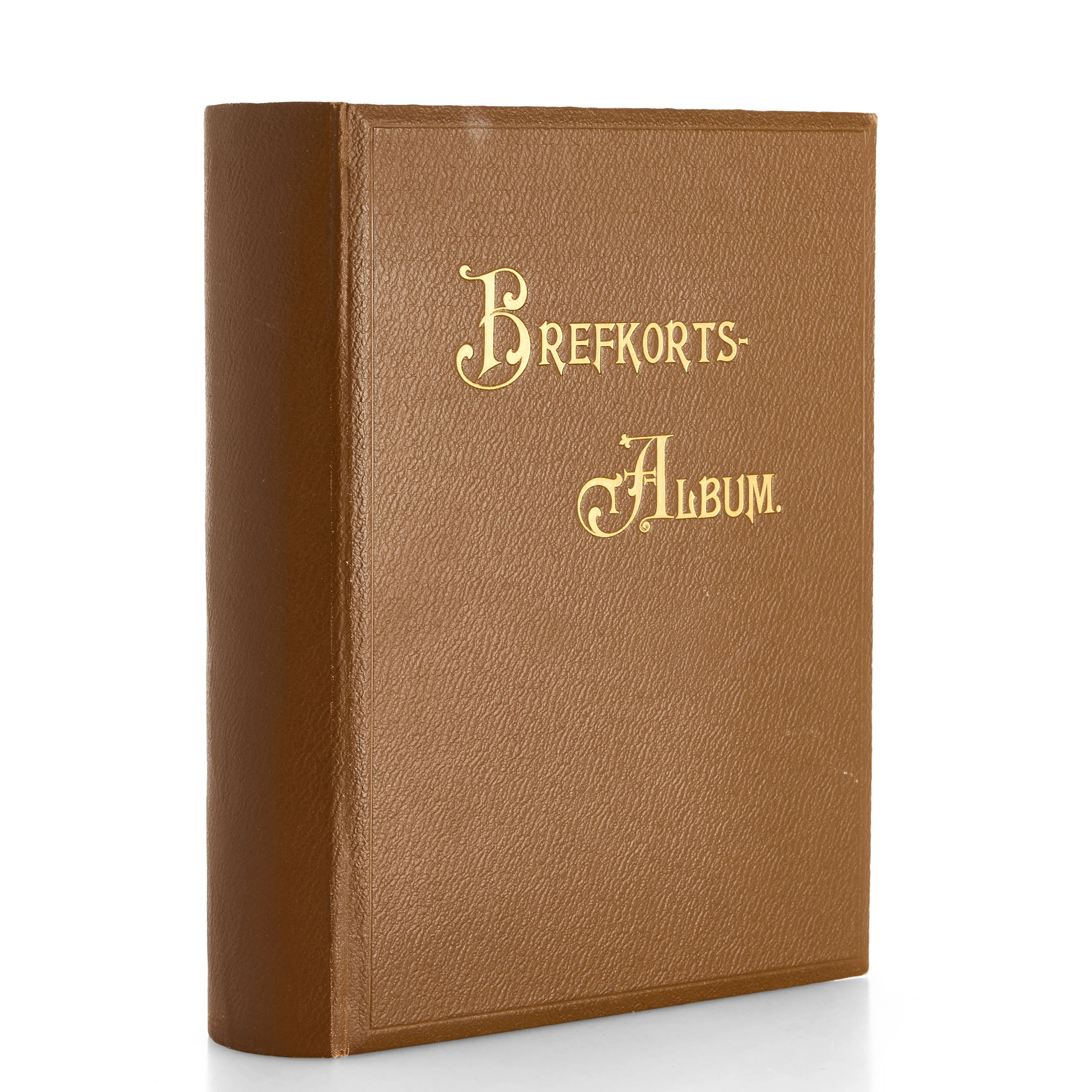
VYKORTSSAMLING - SVENSKA KUNGLIGHETER. GUSTAF V, OSCAR II M.FL. I
10/15/2026
€53.86
Stima: €89.46
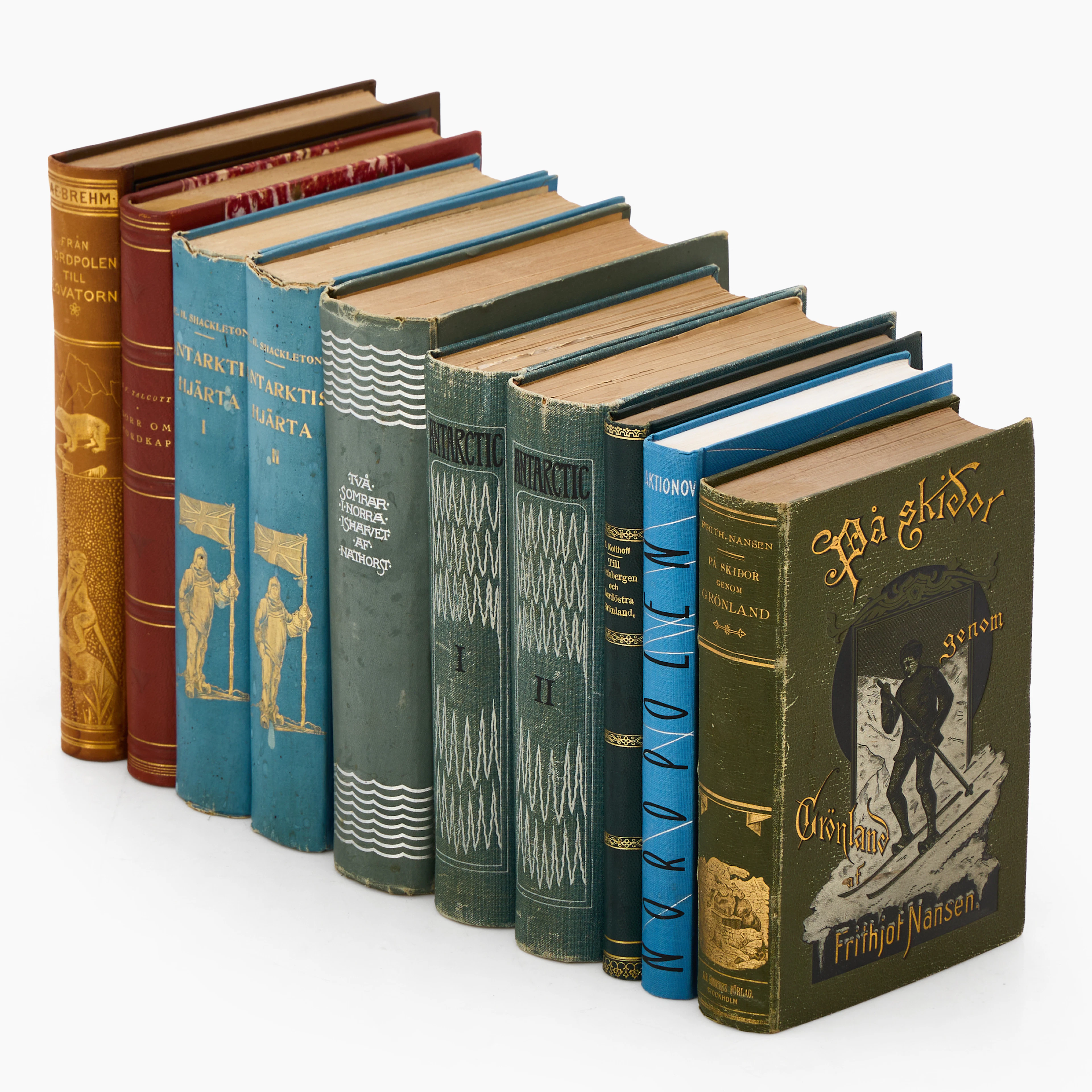
Porta la tua asta ai collezionisti di tutto il mondo!
Pubblica oraIscrivendoti, accetti la politica sulla privacy. Annulla l'iscrizione in qualsiasi momento.
Barnebys HQ
Brahegatan 10
BOX 5038
114 37 Stockholm
