


Tutte le aste / Arte Antica / Antique Museum quality Japanese Pilgrim Jacket - Linen - Japan - Late

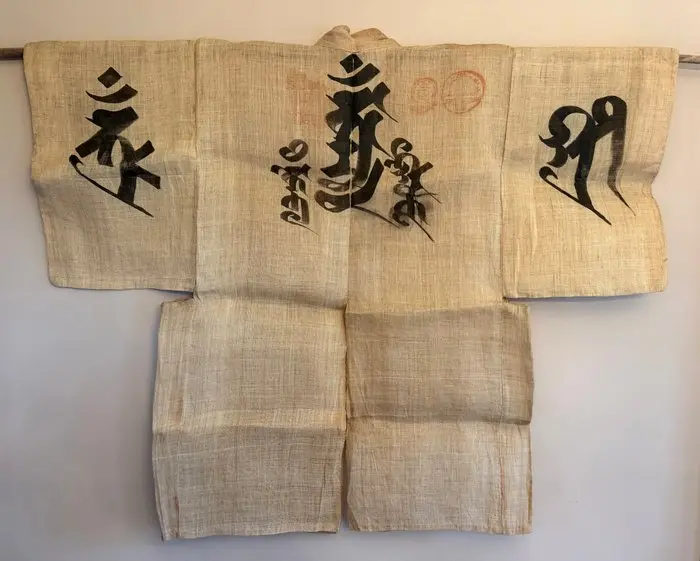
Antique Japanese Buddhist Pilgrim’s Jacket – Edo Period – Linen with Calligraphic Inscriptions and Temple Seals An exceptionally evocative Japanese Buddhist pilgrim’s garment, traditionally associated with the spiritual journeys undertaken by pilgrims to sacred temples and religious sites throughout Japan. Made of natural linen, this remarkable textile features bold black calligraphic inscriptions across the upper section, accompanied by several surviving red seals. Its understated appearance, authentic character and surviving religious markings make it a particularly compelling piece for collectors of Japanese antiques, Buddhist art and historical textiles. Historical Background and Religious Significance Pilgrimage has played an important role in Japanese religious life for centuries, bringing together Buddhist devotion, the veneration of sacred sites and the physical experience of travelling through the landscape. Pilgrims traditionally wore simple, practical garments suited to long journeys on foot, often through mountainous terrain and exposed countryside. This type of garment is associated with the tradition of the Japanese Buddhist pilgrim’s jacket, commonly referred to as a hakue or, in certain pilgrimage contexts, an ohenro-gi. Such garments could serve a purpose beyond ordinary clothing: inscriptions, sacred characters and temple seals transformed them into personal records of religious devotion and pilgrimage. The practice of receiving temple seals and inscriptions during a pilgrimage is particularly significant. These marks could commemorate visits to sacred places and bear witness to the pilgrim’s spiritual journey. Comparable historical garments preserved in museum collections demonstrate how textiles of this kind can function simultaneously as clothing, devotional objects and material records of religious practice. The precise pilgrimage route and the individual meanings of the inscriptions on this particular garment have not been established, adding an element of mystery that invites further study. Design, Calligraphy and Surviving Seals The garment is distinguished by its striking arrangement of large black calligraphic characters across the upper portion. The bold brushwork creates a powerful visual contrast against the warm, natural tone of the linen. The composition is both graphic and expressive, with the calligraphy occupying a prominent position that would have made the markings clearly visible when the garment was worn or displayed. Several red seal impressions remain visible alongside the black inscriptions. Their presence is particularly noteworthy, as they preserve traces of the garment’s original religious or ceremonial context. The contrast between the dark calligraphy and the faded red marks contributes greatly to the textile’s authenticity and visual appeal. The surviving inscriptions and seals should be regarded as integral features of the object rather than merely decorative elements. They lend the garment the character of a historical document, connecting the textile to the religious and cultural traditions from which it emerged. Material and Textile Character The garment is made of linen, with a naturally textured, open-weave appearance that gives the surface an appealing simplicity. The subtle variations in the fabric’s colour and texture reflect its age and individual character. Its restrained construction is consistent with the practical requirements of traditional travel and pilgrimage clothing. Rather than relying on elaborate decoration or luxurious materials, its significance lies in the combination of humble textile, religious calligraphy and surviving seals. The natural beige tone, softened by time, provides an excellent background for the dark inscriptions and red impressions. The overall effect is understated yet visually powerful, making this an object that rewards both close examination and display. Condition The garment is in excellent condition for a historical textile of this nature, retaining its overall form, prominent calligraphic decoration and several visible seals. The natural ageing of the fabric, together with the surviving inscriptions and stamps, contributes to its historical character. The piece presents beautifully and would make a striking addition to a specialised collection of Japanese textiles, Buddhist material culture or historical pilgrimage objects. Please refer to the photographs for a detailed view of the fabric, construction, inscriptions and surviving seals. Dimensions Overall width: 133 cm Height: 110 cm Thickness: Approximately 0.5 cm, as measured Period and Classification Origin: Japan Period: Edo period (1603–1868), as attributed Object: Buddhist pilgrim’s garment Traditional type: Hakue / pilgrim’s jacket, attribution Material: Linen Decoration: Black calligraphic inscriptions and surviving red seals A Remarkable Collectible of Japanese Religious and Textile History This evocative garment offers a tangible connection to Japan’s rich tradition of Buddhist pilgrimage. Its expressive calligraphy, surviving red seals, natural linen and understated construction combine to create an object of considerable historical and aesthetic interest. Particularly appealing to collectors of Japanese antiques, Buddhist art, religious textiles and objects associated with pilgrimage, it would also be an impressive addition to a carefully curated collection of Asian art or a specialist museum-style display. Its importance lies not only in its visual presence but also in the traces of human devotion preserved on its surface. The inscriptions and seals give the garment an individual character, suggesting a history that extends beyond its function as clothing. A rare and atmospheric historical textile, offered for its authenticity, cultural significance and distinctive decorative appeal. Packing and Shipping: Professional packing and shipping will be arranged with the utmost care. The garment will be carefully protected using appropriate materials and secure packaging to help preserve the textile, its inscriptions and its surviving seals throughout transit.
Stima:€1,400
Vai all’astaVedi tutti gli oggetti diCatawikioArte Antica
Stima:
€1,400
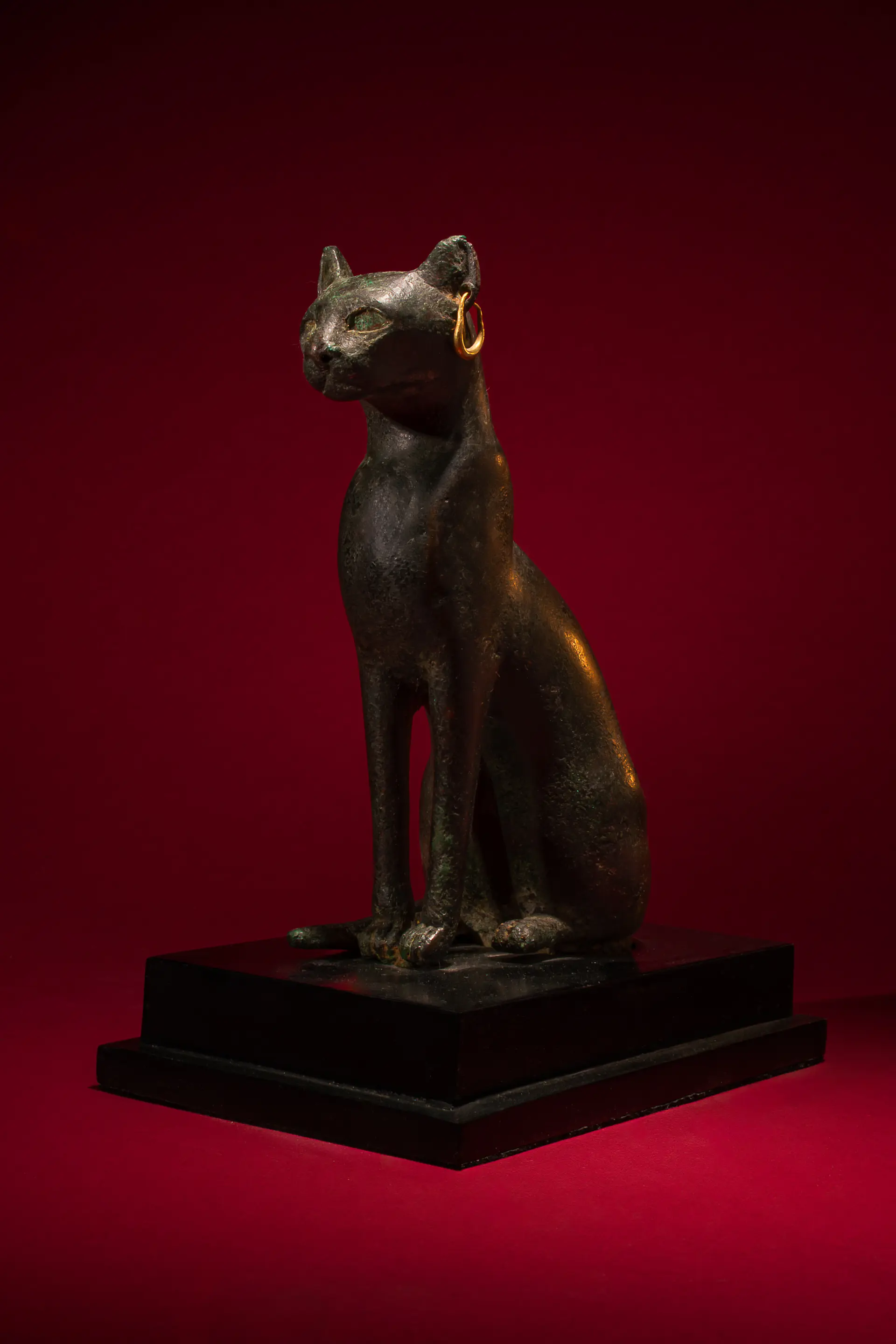
RARE EGYPTIAN BRONZE CAT STATUETTE WITH GOLD EARRINGS - LARGE SIZE
06/21/2026

€25,506.4
Stima: €23,095.64
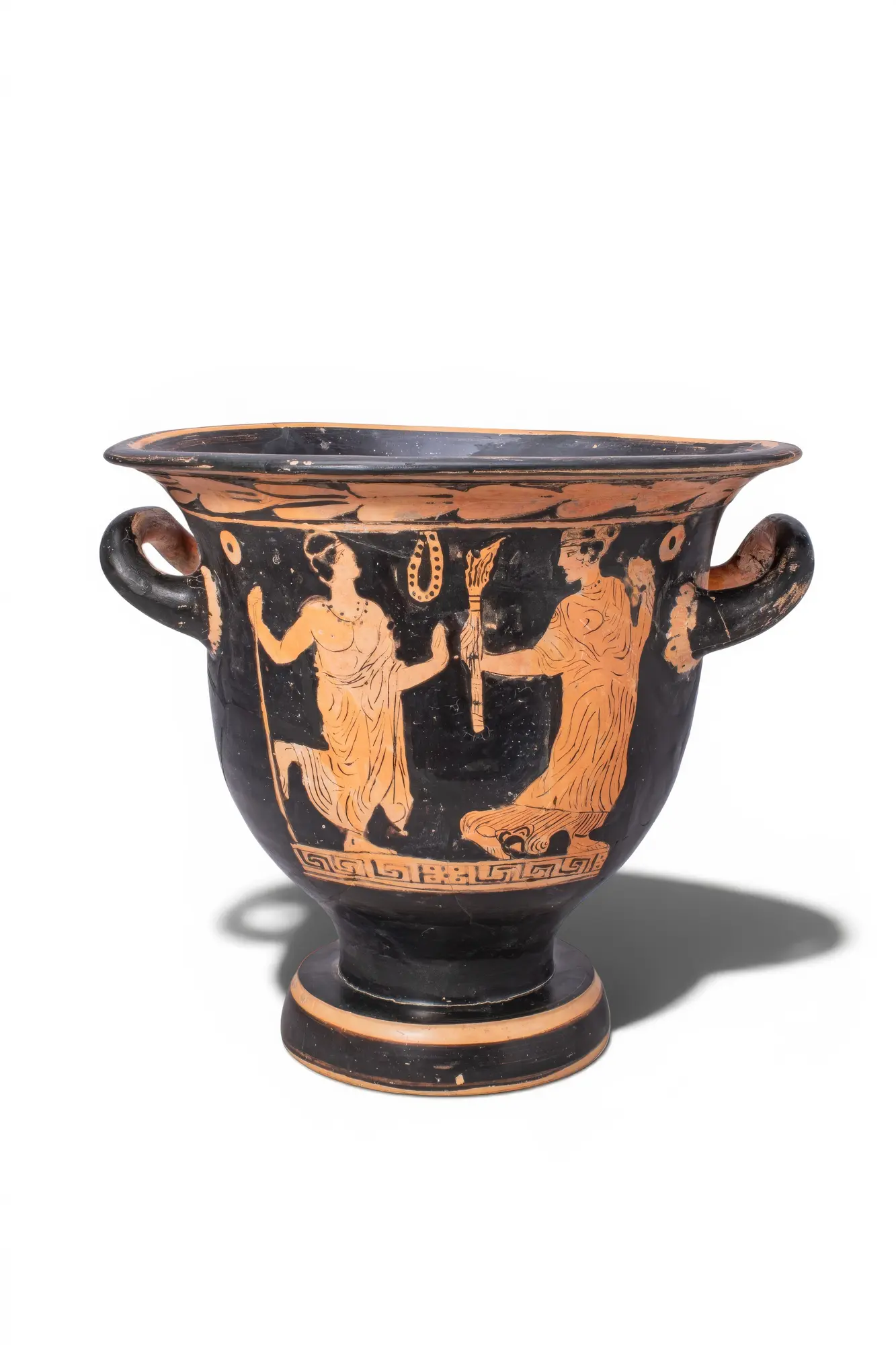
APULIAN RED-FIGURE BELL KRATER WITH KOMASTOS AND MAENAD - TL TESTED
06/21/2026
€3,014.39
Stima: €2,304.2
Porta la tua asta ai collezionisti di tutto il mondo!
Pubblica oraIscrivendoti, accetti la politica sulla privacy. Annulla l'iscrizione in qualsiasi momento.
Barnebys HQ
Brahegatan 10
BOX 5038
114 37 Stockholm
